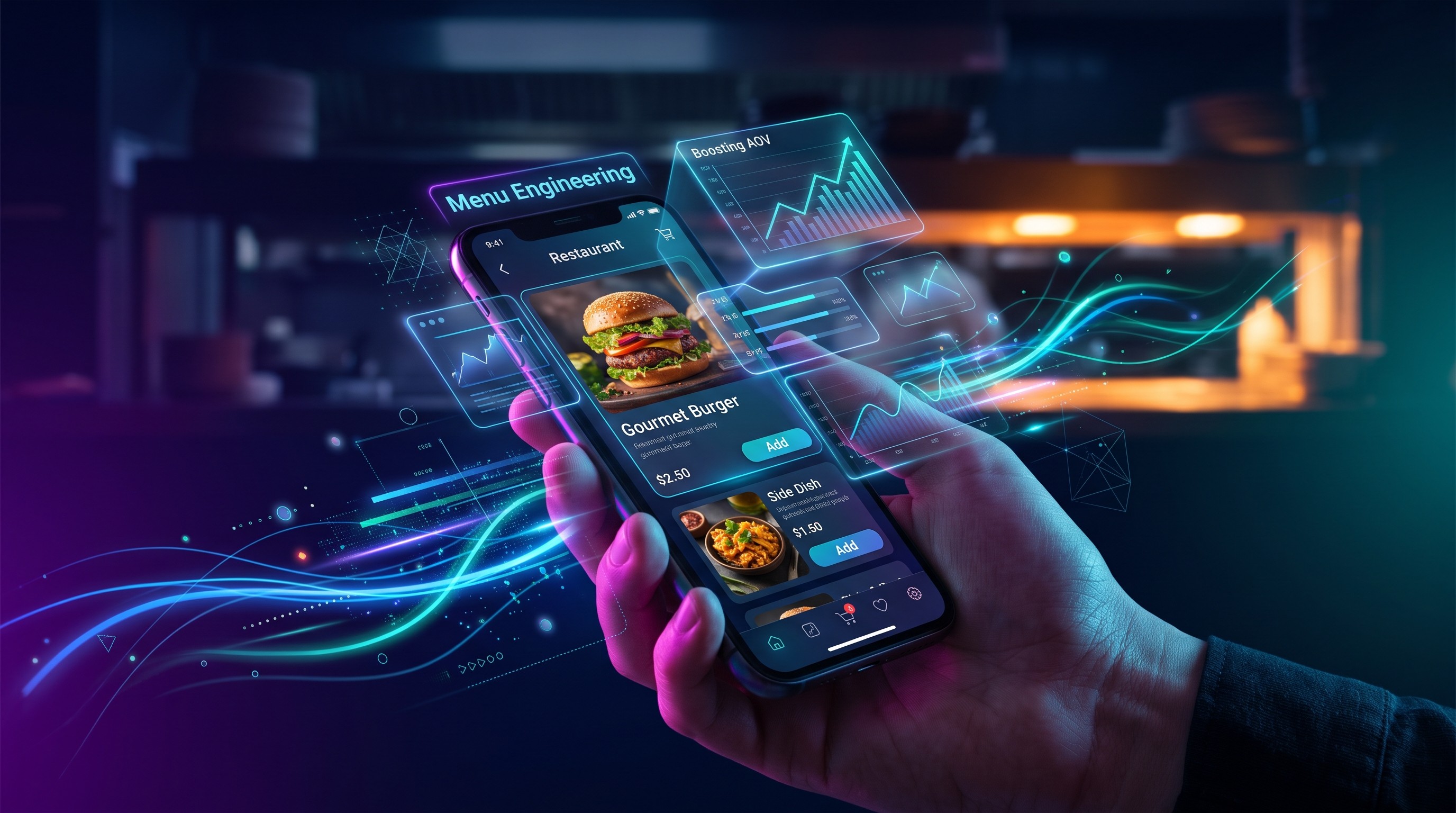
Menu Engineering for Digital Success: Boosting AOV and Conversions for Restaurant Online Ordering
Updated: October 23, 2026
E-commerceQuick Summary
6 min read- 01
The shift toward digital dining has transformed the traditional restaurant menu from a physical piece of laminated cardstock into a high-stakes, digital conversion engine. Today, your...
- 02
To maximize revenue in a digital-first marketplace, modern operators must leverage restaurant menu optimization online ordering strategies. Digital menu engineering combines consumer...
- 03
At Useryze, we help digital brands and food service platforms transform their online touchpoints into high-performing conversion funnels. Let’s explore the core strategies that turn passive...
- 04
In physical dining rooms, restaurant owners rely on visual gaze patterns such as the "Golden Triangle," where a diner's eyes naturally travel to the center, top-right, and top-left of a...
The shift toward digital dining has transformed the traditional restaurant menu from a physical piece of laminated cardstock into a high-stakes, digital conversion engine. Today, your digital menu is often the very first interaction a customer has with your brand. However, simply uploading a PDF or listing your dishes line-by-line on an online ordering platform is no longer enough to stay competitive.
To maximize revenue in a digital-first marketplace, modern operators must leverage restaurant menu optimization online ordering strategies. Digital menu engineering combines consumer psychology, user experience (UX) design, and data analytics to strategically organize and present your culinary offerings. When executed correctly, a well-engineered digital menu directly drives higher Average Order Values (AOV) and substantially improves online conversion rates.
At Useryze, we help digital brands and food service platforms transform their online touchpoints into high-performing conversion funnels. Let’s explore the core strategies that turn passive menu browsers into loyal, high-spending customers.
011. Strategic Placement of High-Margin Items
In physical dining rooms, restaurant owners rely on visual gaze patterns such as the "Golden Triangle," where a diner's eyes naturally travel to the center, top-right, and top-left of a trifold menu. In the digital realm, browsing behavior changes dramatically. Online orderers scan vertically and rapidly, typically focusing most of their attention on the top third of the screen before scrolling down.
To drive higher profitability, your highest-margin items must occupy prime digital real estate:
- Top-of-Page Anchoring: Place your signature, high-margin items near the top of the ordering screen or within a dedicated "Chef’s Recommendations" or "Popular Items" category.
- Visual Highlights: Use subtle visual cues like "Bestseller" badges, custom borders, or distinct background colors to draw the eye toward high-margin dishes without cluttering the screen.
- Strategic Pricing Anchors: Place higher-priced premium dishes near the top of a category. This establishes a price anchor, making surrounding mid-tier items feel significantly more affordable and encouraging guests to add them without hesitation.
When high-profit items are easy to find and visually prioritized, customers are far more likely to select them, directly expanding your margin on every order.
2. Effective Use of Upsells, Cross-Sells, and Bundles
One of the greatest advantages of online ordering over traditional table service is automated, consistent upselling. A human server might forget to suggest a side dish or premium topping during a busy rush, but a digitized ordering system never forgets.
To increase AOV without creating friction in the checkout process, consider implementing these structured upselling tactics:
- Contextual Modifiers: Design dish customizers that seamlessly prompt add-ons. When a customer selects a burger, present a smooth pop-up asking, "Add avocado or bacon?" or "Upgrade to truffle fries?"
- Smart Bundled Meals: Group main dishes, sides, and drinks into combo options. Customers perceive bundles as high-value, convenience-led choices, while restaurants benefit from selling multi-item orders that boost total spend.
- Basket-Level Cross-Selling: Right before checkout, introduce low-friction, complementary items based on what is currently in the cart. Suggesting a dessert, craft beverage, or dipping sauce right before payment captures last-minute impulse additions.
3. Clear, Enticing, and Persuasive Descriptions
On a digital screen, customers cannot smell the food cooking or see dishes walking past to neighboring tables. Sensory selling must happen entirely through copy.
Vague or clinical descriptions like "Beef burger with cheese and sauce" fail to excite the appetite. Instead, strategic menu copywriting uses evocative imagery and transparent information to build value:
- Sensory Words: Incorporate descriptive language that evokes taste and texture such as "slow-braised," "crisp," "hand-crafted," "smoky," or "house-infused."
- Ingredient Transparency and Dietary Tags: Highlight key ingredients, sourcing stories, and clear dietary icons (e.g., Gluten-Free, Vegan, Nut-Free). Clear labels remove hesitation for guests with dietary preferences, speeding up their decision-making process.
- Scarcity and Exclusivity: Phrases like "Limited Daily Quantity" or "Seasonal Special" create a subtle sense of urgency, encouraging diners to try unique items before they disappear.
Well-crafted copy bridges the gap between digital interaction and physical taste, reducing cart abandonment and convincing guests to invest in premium menu selections.
4. High-Quality Food Photography
Human beings buy with their eyes. High-resolution, appetizing photography is arguably the most influential factor in driving online conversion rates for digital menus.
However, poor-quality photography can backfire. Dark, pixelated, or unappealing photos instantly kill appetite and trust. To optimize your menu visuals effectively:
- Professional Lighting and Styling: Invest in professional food photography that highlights vibrant colors and fresh textures.
- Consistency in Presentation: Ensure all food photos share a cohesive aesthetic, lighting setup, and background style. Visual consistency makes the platform feel polished and reliable.
- Strategic Visual Coverage: You don't necessarily need photos for every single item on a large menu, but you must feature high-quality images for all signature items, high-margin dishes, and add-ons.
When guests can vividly visualize what they are ordering, their purchase confidence increases, resulting in higher checkout rates and fewer abandoned carts.
5. Ensuring Seamless Mobile-Friendliness
The vast majority of online food orders are placed via mobile devices, whether through mobile web browsers or dedicated applications. A menu that looks fantastic on a desktop monitor can easily become frustrating and unusable on a smartphone screen.
Mobile restaurant menu optimization requires a hyper-focus on responsive design and minimal user friction:
- Thumb-Friendly Navigation: Navigation menus, category tabs, and filter options must be easy to tap with one thumb.
- Fast Page Load Speed: Large image files must be compressed and optimized for mobile connections. Slow-loading pages cause hungry users to drop off immediately.
- Streamlined Mobile Checkout: Minimize the number of steps required to complete an order. Incorporate modern payment options like Apple Pay and Google Pay to allow one-touch checkouts.
If your digital menu feels clunky or slow on mobile, customers will quickly leave to order from a competitor whose platform is easier to use.
Partnering for Digital Restaurant Growth
A successful digital menu is never static. Consumer preferences shift, seasonal ingredients change, and user browsing habits evolve. Continuous testing, heatmapping, and Conversion Rate Optimization (CRO) are essential to maintaining a high-performing digital ordering experience.
At Useryze, we specialize in helping restaurants and food tech platforms maximize their digital revenue potential. Whether you need an end-to-end audit of your digital ordering platform through our specialized restaurant industry solutions or tailored improvements via our website and landing page service, our team applies data-driven user experience practices to refine every touchpoint of your customer journey.
From streamlining user interfaces to optimizing menu layouts for maximum AOV, we ensure your digital ordering experience converts casual visitors into repeat, high-value customers.
Ready to Elevate Your Online Restaurant Revenue?
If you want to unlock higher order values and transform your digital menu into your most profitable sales channel, we'd love to help. Contact the Useryze team today to learn how our CRO strategies can optimize your online ordering platform.
Related Posts
View All ›
Discover how combining local SEO for restaurants with modern AEO strategies can help you dominate search results, power AI assistants, and attract more diners online in 2026.


Discover how multi-location restaurant chains can overcome local search challenges, optimize Google Business Profiles, dominate Google Maps, and leverage AI to drive foot traffic across every location.

A practical framework for auditing jewelry conversion funnels. Focus on identifying technical friction, visual trust gaps, and high intent drop-off points using real world data and operator experience.