Google and Meta Ads in St. Louis: How Local Businesses Avoid Wasting Their Budget
Quick Summary
5 min read- 01
Paid ads can bring a St. Louis business new customers this week, which is something SEO cannot do. They can also burn through a budget fast if the targeting is loose. Most of the waste we...
- 02
This guide walks through how to set up Google Ads and Meta (Facebook and Instagram) ads for a St. Louis business so the money goes to people who can actually become customers.
- 03
The St. Louis metro covers 15 counties across Missouri and Illinois, according to Greater St. Louis, Inc. Very few local businesses serve all of it well. Before you spend anything, write...
- 04
Then target those places specifically. In Google Ads, use location targeting by ZIP code, city or radius, and set it to people "in or regularly in" your locations, not people "interested in"...
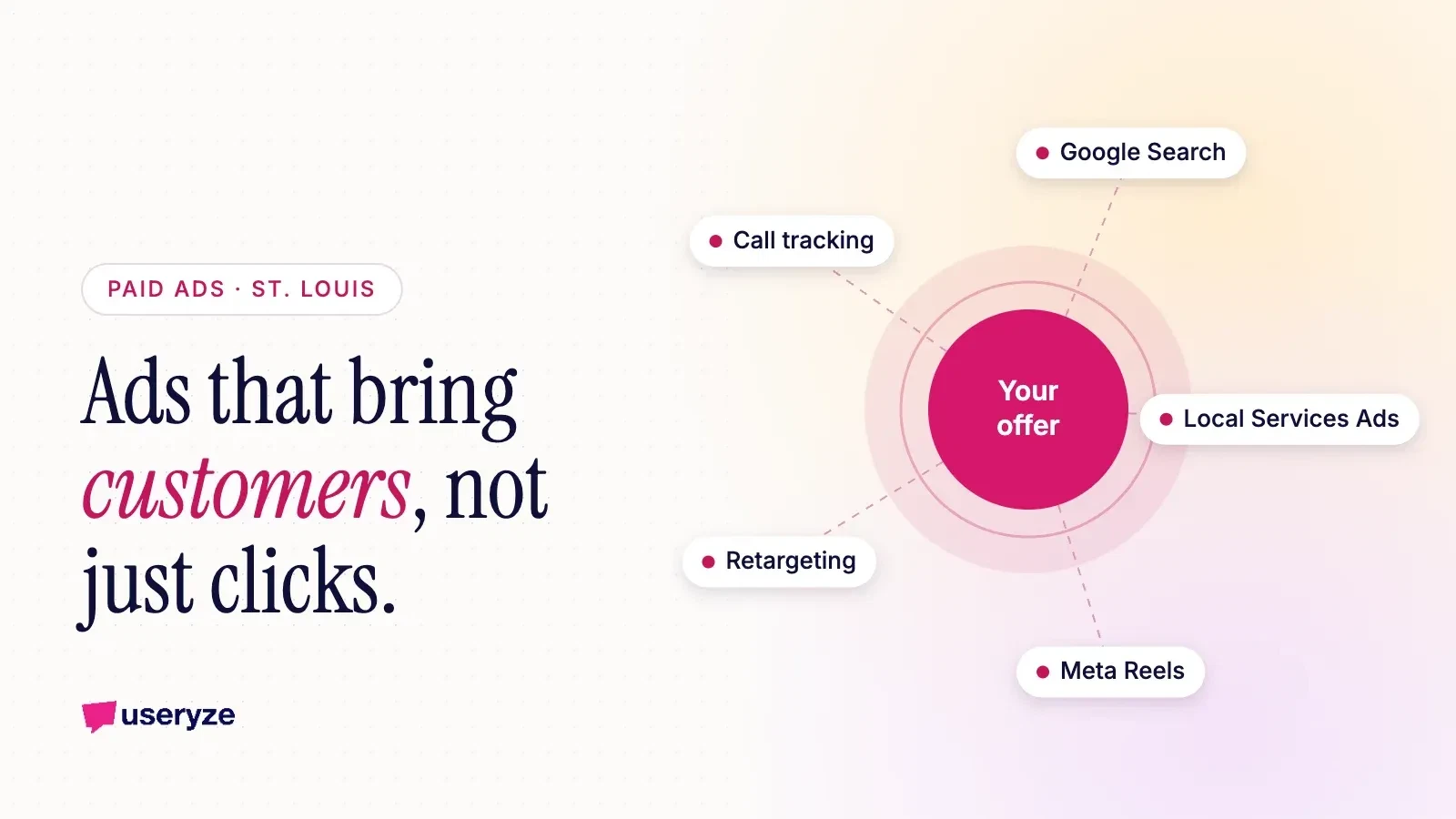
Paid ads can bring a St. Louis business new customers this week, which is something SEO cannot do. They can also burn through a budget fast if the targeting is loose. Most of the waste we see comes from the same few mistakes: ads shown to the wrong part of the metro, clicks sent to a homepage instead of a page built for the offer, and no tracking of which ads produce calls.
This guide walks through how to set up Google Ads and Meta (Facebook and Instagram) ads for a St. Louis business so the money goes to people who can actually become customers.
01Start with where your customers really are
The St. Louis metro covers 15 counties across Missouri and Illinois, according to Greater St. Louis, Inc. Very few local businesses serve all of it well. Before you spend anything, write down:
- The ZIP codes or towns where your best customers come from today.
- How far you will realistically travel, or how far customers will drive to you.
- Whether you serve the Illinois side (Belleville, Edwardsville, O'Fallon, Collinsville) or only Missouri.
Then target those places specifically. In Google Ads, use location targeting by ZIP code, city or radius, and set it to people "in or regularly in" your locations, not people "interested in" them. This one setting stops your ads showing to someone in another state who once searched for St. Louis.
Google Ads: catch people who are already looking
Google Search ads work best for services people search for when they need them: repairs, legal help, dental care, home services, B2B services. A simple structure works well for most St. Louis businesses:
- One campaign per service you want more of, so you can control spend on each.
- Specific keywords that show intent, such as "emergency plumber st louis" or "invisalign clayton mo", rather than broad terms like "plumbing".
- Negative keywords to block searches you do not want, such as "jobs", "salary", "free" or "DIY", and towns you do not serve.
- Call assets so people can tap to call straight from the ad.
- Local Services Ads if your category has them. They show above normal ads, with a "Google Guaranteed" or "Google Screened" badge, and you pay per lead rather than per click.
Check the search terms report every week. It shows the exact searches that triggered your ads, and it is where most wasted spend is hiding.
Meta ads: create demand before people search
Facebook and Instagram ads reach people before they start looking. They work well for restaurants, events, fitness, retail, home improvement, real estate and any offer that people buy more of when they see it.
What works locally:
- Short vertical video filmed in or around St. Louis, showing real work, real staff or real customers. Recognizable local places help people stop scrolling.
- One clear offer per ad, such as a seasonal service, a booking slot or a first-visit offer.
- Location targeting by radius or ZIP code, with care around special ad category rules for housing, employment, credit and similar ads.
- Retargeting people who visited your site or watched your videos, since they already know you.
Send every click to a page built for the ad
The most common and expensive mistake is sending ad clicks to a homepage. Someone who clicked "AC repair today in St. Charles" wants to see exactly that, a phone number and a way to book. Build a landing page for each main offer with:
- A headline that matches the ad.
- The areas you serve and how fast you can help.
- Reviews or proof.
- One action: call, book or request a quote, visible on a phone without scrolling.
Track calls, forms and bookings
Clicks are not customers. Before you scale any campaign, set up conversion tracking for:
- Phone calls from ads and from your site.
- Form submissions and bookings.
- Offline sales, if you can import them from your CRM.
Then judge each campaign by cost per lead and, ideally, cost per customer. A campaign with expensive clicks that turn into booked jobs beats a cheap one that brings tire-kickers.
How much should a St. Louis business spend?
There is no single right number. Costs depend on your category, your competition and how much of the metro you target. A better approach is to work backwards:
- Decide what a new customer is worth to you over a year.
- Decide what you can afford to pay to win one.
- Start with a budget that can produce enough leads to learn from in a month, then raise it on the campaigns that hit your target.
Spending too little across too many services usually produces too few leads to tell what is working. It is better to fund one or two campaigns properly.
A weekly checklist
- Review search terms and add negatives.
- Pause ads and keywords that spend without leads.
- Check that calls and forms are being tracked.
- Listen to a few call recordings, if you have them, to judge lead quality.
- Refresh Meta creative every few weeks before people get tired of it.
Where to start
If you are running ads already, open your search terms report and your location settings today. Those two checks fix most of the waste. If you are starting from scratch, pick one service, one area and one landing page, and get that working before you expand.
Our paid media service runs Google, Meta and TikTok campaigns for local businesses with weekly reporting on calls and bookings. See how we help businesses across Greater St. Louis.
Free growth plan
Turn this into more customers.
We run marketing, video and AI follow-up for owner-led businesses. Tell us about yours and we will show you the three fixes that matter most.
Related Posts
View All ›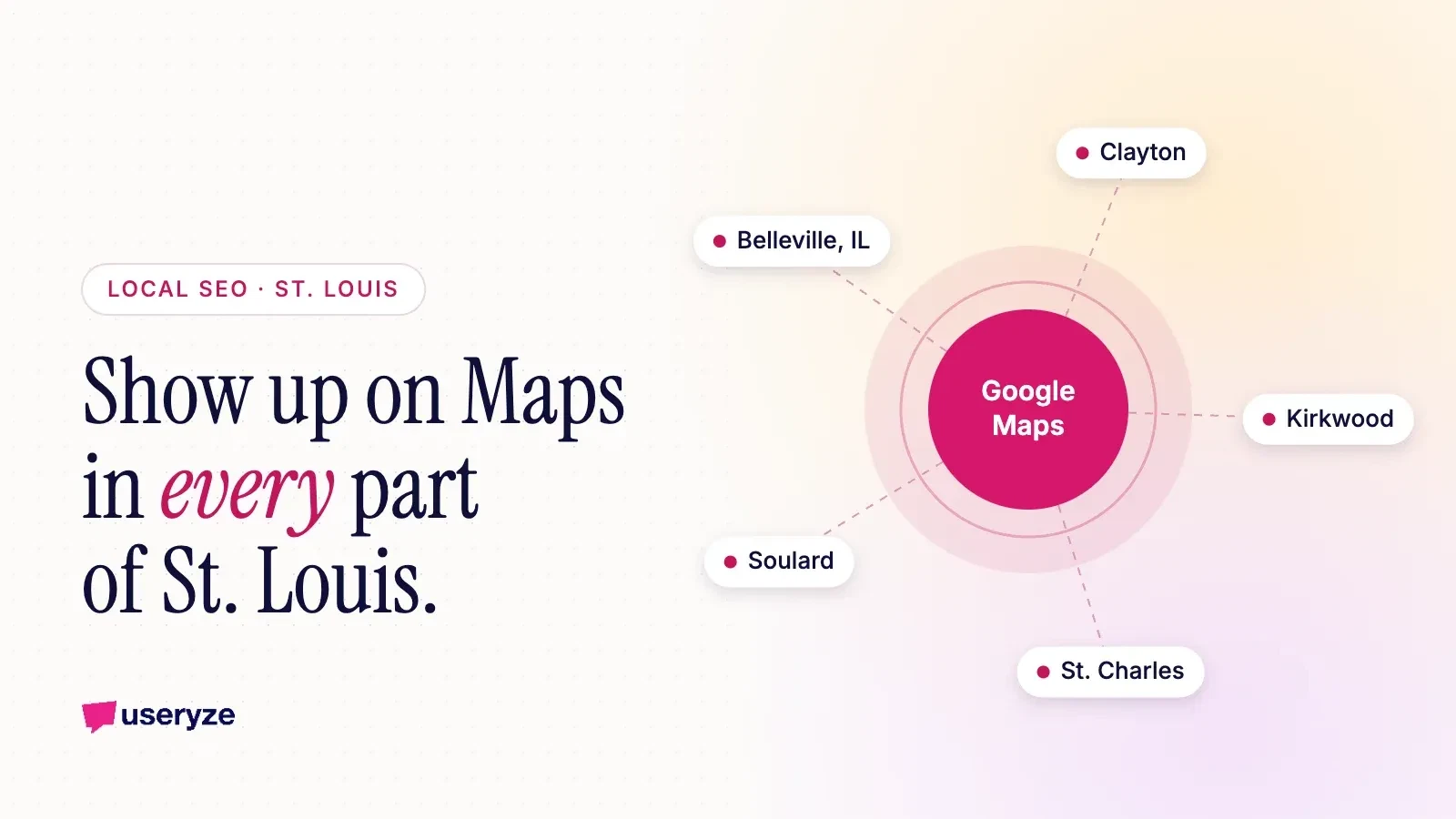
How St. Louis businesses rank on Google Maps across the city, St. Louis County, St. Charles and the Metro East: profiles, area pages, reviews and tracking.

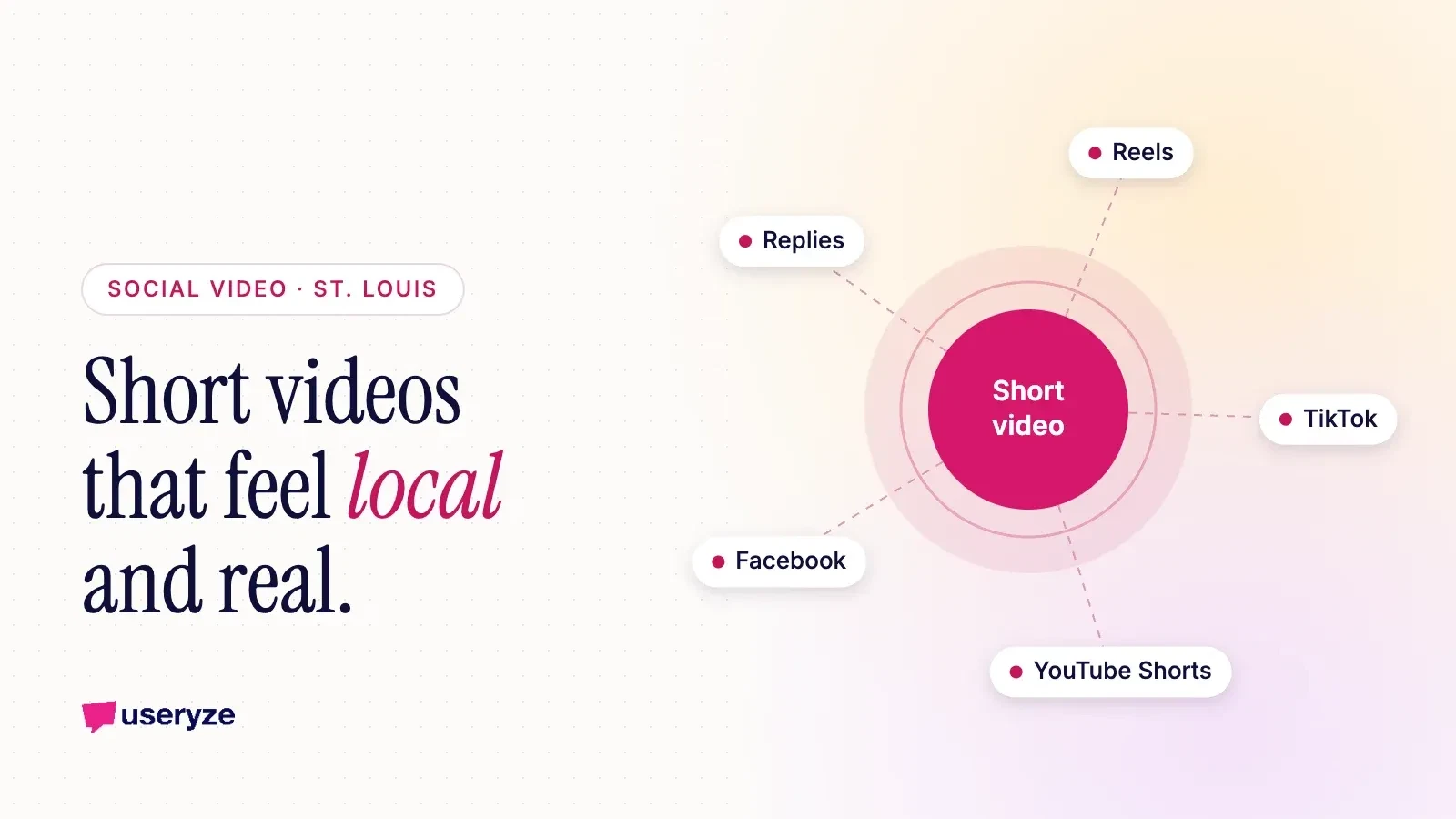
A practical social media plan for St. Louis businesses: short-form video on Reels, TikTok and Shorts, local content ideas, posting rhythm and tracking.
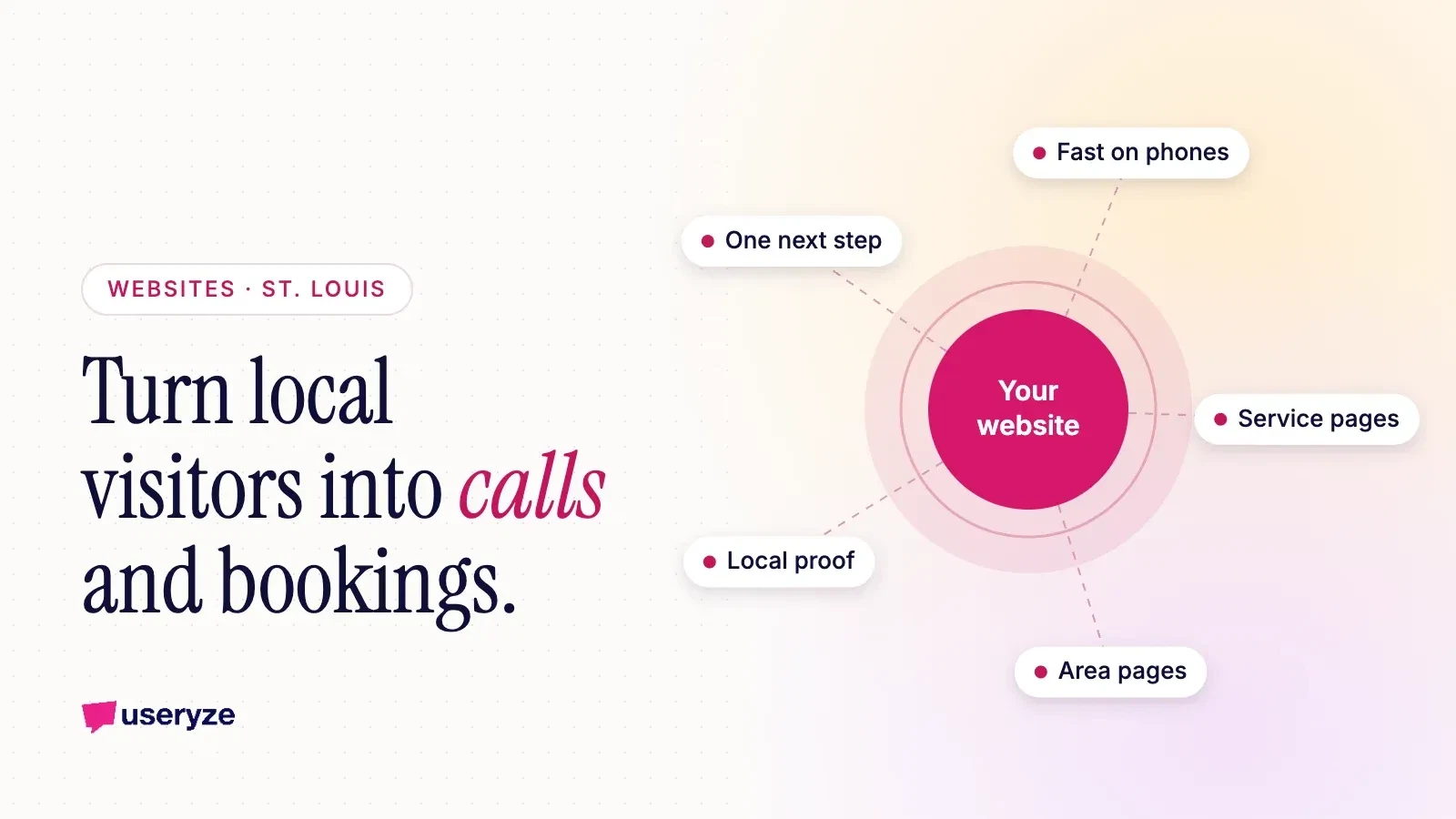
What a St. Louis business website needs to turn local visitors into calls: speed on phones, service and area pages, local proof and one clear next step.