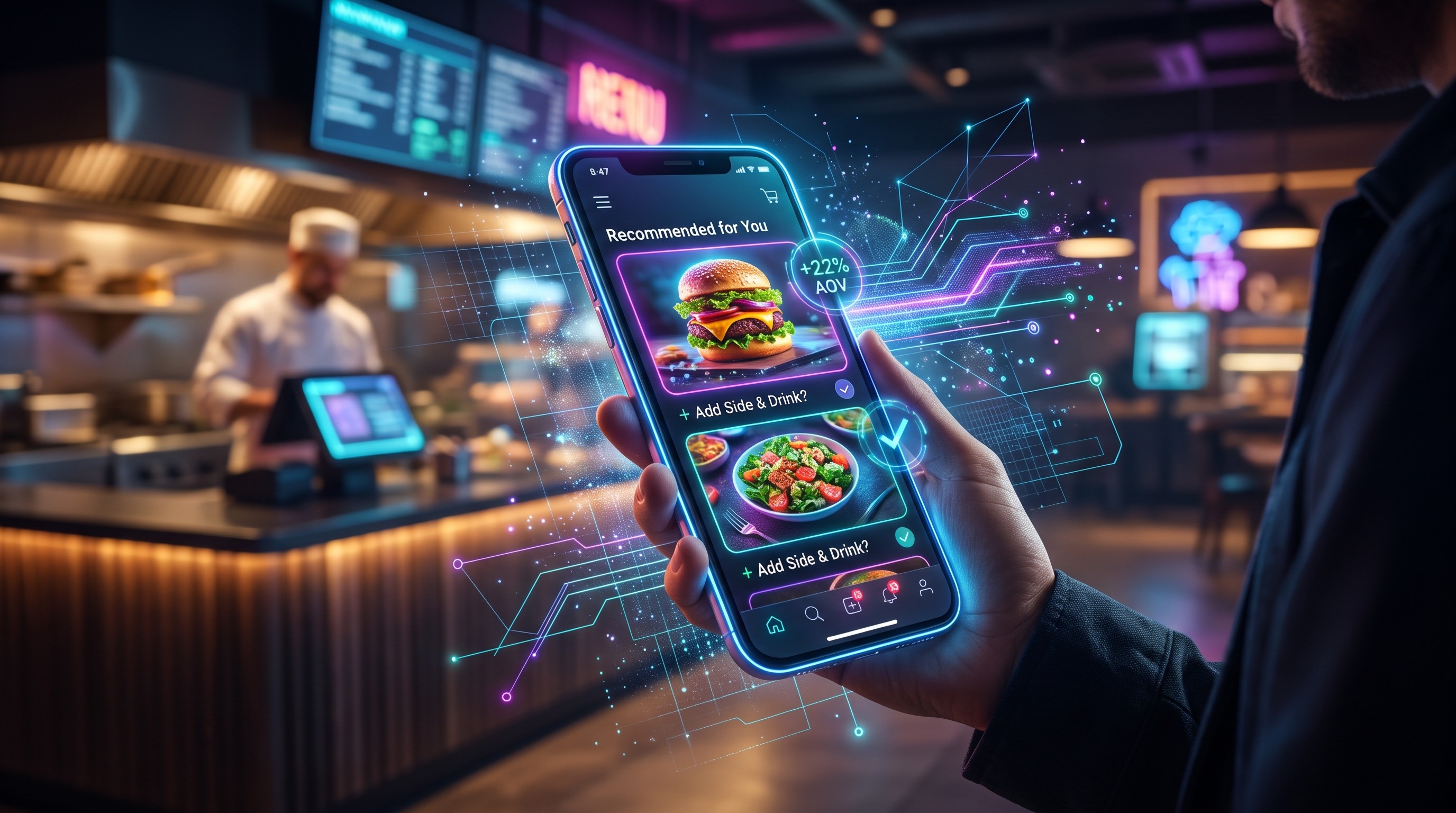
Hyper-Personalized Online Ordering: How AI Boosts Restaurant Sales & Loyalty
Updated: November 04, 2026
E-commerceQuick Summary
9 min read- 01
The digital food ordering space is crowded, noisy, and more competitive than ever before. For independent restaurateurs and multi-location operators alike, simply having an online menu is no...
- 02
To stand out in today's delivery market, brands must move beyond static menus and embrace restaurant online ordering personalization. By leveraging artificial intelligence to tailor the...
- 03
Personalization is no longer a luxury reserved for retail giants like Amazon or streaming platforms like Netflix. Today, AI personalized restaurant ordering is rapidly becoming the gold...
- 04
Traditional digital personalization often stops at basic customization, such as greeting a returning diner by name or saving their delivery address. While convenient, that is merely digital...
The digital food ordering space is crowded, noisy, and more competitive than ever before. For independent restaurateurs and multi-location operators alike, simply having an online menu is no longer enough to win the digital dinner table. Third-party aggregators take steep commissions while holding onto your customer relationships, and native ordering platforms often present a static, one-size-fits-all digital menu that treats a first-time vegan browser the exact same way as a weekly carnivore.
To stand out in today's delivery market, brands must move beyond static menus and embrace restaurant online ordering personalization. By leveraging artificial intelligence to tailor the digital ordering journey to each individual diner, forward-thinking operators are turning casual browsers into loyal, high-spending brand advocates.
Personalization is no longer a luxury reserved for retail giants like Amazon or streaming platforms like Netflix. Today, AI personalized restaurant ordering is rapidly becoming the gold standard for independent and growing hospitality brands. Here is how it works, why it matters, and how you can implement it to grow your average order value (AOV) and direct sales.
01What is Hyper-Personalization in Online Ordering?
Traditional digital personalization often stops at basic customization, such as greeting a returning diner by name or saving their delivery address. While convenient, that is merely digital table stakes.
Hyper-personalization goes significantly deeper. It involves using real-time data, machine learning algorithms, and behavioral tracking to dynamically adjust what a customer sees, when they see it, and how it is presented. Instead of expecting guests to scroll through dozens of appetizers, entrees, and beverages, a hyper-personalized system anticipates their specific cravings and intent in real time.
Consider these common scenarios in action:
- Contextual Suggestions: Displaying prompt recommendations such as "Customers who ordered the Truffle Burger also enjoyed Garlic Parmesan Fries" directly inside the cart drawer.
- Dietary Filtering: Automatically surfacing gluten-free, dairy-free, or plant-based categories at the top of the menu for an authenticated user who consistently filters out animal products.
- Temporal Curation: Highlighting hearty comfort bowls and hot soups during a cold Tuesday rainstorm, or showing refreshing cocktails and iced teas during a hot weekend afternoon.
- Habitual Reordering: Showing a "Order Your Usual?" prompt the moment a regular customer logs on around their standard 12:30 PM lunch break.
By tailoring the menu to individual preferences, dietary restrictions, time of day, and purchase history, restaurants transform a transactional digital catalog into an intuitive, guided hospitality experience.
How AI Enables Personalization Behind the Scenes
Creating these dynamic dining journeys by hand would require impossible hours of manual administrative work. This is where artificial intelligence and machine learning step in.
1. Unified Data Collection
AI algorithms quietly ingest and analyze multi-touchpoint data across your digital channels:
- Historical Order Patterns: Past dishes ordered, modification preferences (such as extra dressing or gluten-free bread), order frequency, and typical order values.
- Browsing and Clickstream Behavior: Dishes viewed, categories browsed, dwell time on individual items, and abandoned items removed from carts.
- Environmental and Contextual Signals: Local weather conditions, day of the week, time of day, and special occasions or holiday seasons.
2. Collaborative and Content-Based Recommendation Engines
Modern recommendation engines evaluate your menu items based on flavor profiles, ingredients, and purchase affinities. When combined with collaborative filtering (which analyzes behavioral patterns across thousands of similar guests), the system predicts what a specific diner is most likely to order next with remarkable accuracy.
When your digital menu functions like an intuitive digital sommelier, guests feel understood. It creates the digital equivalent of a knowledgeable server who remembers your favorite table, notes your allergies, and knows exactly which dessert you cannot resist.
Core Benefits for Restaurants
Implementing hyper-personalization produces measurable, compounding financial returns across your front of house and back of house metrics.
Significant Increase in Average Order Value (AOV)
Smart upsells and item pairings powered by real-time preference analysis convert at a significantly higher rate than random popups. Rather than asking a diner to add an irrelevant side dish, the algorithm pairs items that logically complement the main course, lifting ticket sizes organically.
Higher Reorder Rates and Lifetime Value
Convenience drives retention. When customers know that ordering from your direct website takes only three clicks to get their exact custom meal, they bypass third-party aggregator apps and order directly from your brand.
Frictionless Menus and Reduced Decision Fatigue
Analysis paralysis is one of the leading causes of cart abandonment in digital food ordering. A standard menu with 60 or more items forces users to scroll endlessly, evaluate dozens of choices, and second-guess their decisions. Presenting tailored AI menu recommendations cuts down decision fatigue and speeds up the checkout process.
Stronger First-Party Customer Relationships
Direct ordering captures valuable guest data that third-party marketplaces deliberately conceal. Using AI to personalize the experience deepens your relationship with your guests, protecting your margins and building enduring brand loyalty.
4 Implementation Strategies to Supercharge Sales
Ready to turn your online menu into a revenue-generating asset? Here are four practical strategies to implement:
1. Deploy AI-Driven Menu Recommendations
Structure your digital menu so that top-level categories adjust based on individual customer preferences. Returning patrons who regularly order vegetarian dishes should immediately see plant-forward offerings, specials, and bowls without having to navigate past steak or seafood sections. For optimal performance, combine dynamic recommendations with proven digital layout principles. Learn more about fine-tuning your item positioning in our guide to menu engineering for digital success: boosting AOV and conversions for restaurant online ordering.
2. Deliver Timely, Personalized Upsells and Cross-Sells
Generic popups offering a side salad to a customer buying a dessert feel disruptive and clumsy. Personalized cross-sells should feel like attentive service:
- If a diner selects an artisan smash burger, suggest a hand-spun milkshake or seasoned waffle fries.
- If a customer chooses a spicy curry, prompt them with a cooling cucumber raita or warm garlic naan.
- If a diner orders a family-sized pasta entree, suggest a shareable starter salad or a four-pack of sparkling waters.
Trigger these suggestions during the item-selection phase or as a subtle drawer at checkout to preserve a seamless conversion path.
3. Implement Dynamic, History-Based Promotions
Stop offering broad discounts to your entire database. Blanket discount codes cut into profits unnecessarily when given to diners who would have happily paid full price.
Instead, use AI to deliver tailored incentives based on individual churn risk and purchasing history:
- Send a 15% incentive on a favorite item to a regular customer whose typical 14-day ordering cadence has stretched to 30 days.
- Offer a complimentary side or drink on orders placed during off-peak kitchen hours (like 2:00 PM to 4:30 PM on weekdays).
- Reward high-value customers with exclusive early access to seasonal dishes or chef tasting menus.
4. Enable Predictive One-Tap Reordering
For regulars, speed is everything. Display a prominent, pre-populated reorder button on the home screen or menu header. A single click should reassemble their favorite bowl with all their custom ingredient modifications, preferred sauces, and delivery instructions ready for instant review.
To get the full benefit of these personalized on-site systems, ensure that local diners discover your native ordering engine in the first place. You can discover best practices for dominating local and answer-engine search queries in our breakdown of local SEO and AEO for restaurants.
Case Study: From Static Menu to Smart Conversions
To see the impact of dynamic personalization, consider the experience of a growing five-unit fast-casual Mediterranean concept that transitioned away from standard static web ordering.
The restaurant had steady traffic on their native ordering portal, but their direct digital average ticket size hovered around $18.20, and their cart abandonment rate was over 38%. Diners frequently dropped off at the checkout screen when confronted with long, multi-step modification forms for build-your-own bowls.
The brand introduced an AI-powered personalization engine that introduced three targeted adjustments:
- Dynamic Defaults: The menu automatically surfaced popular pre-set topping combinations for first-time visitors, while remembering past custom modifications for returning account holders.
- Context-Sensitive Add-Ons: When customers added a pita wrap or bowl, the system recommended tailored dips (such as spicy feta or roasted garlic hummus) based on the specific protein selected.
- Smart Cart Recovery: If a customer left items in their cart, the system triggered an automated, personalized SMS reminder offering complimentary pita chips if completed within 20 minutes.
Within 90 days, the brand achieved:
- A 22% increase in Average Order Value (rising from $18.20 to $22.20).
- A 29% reduction in cart abandonment.
- A 34% increase in direct monthly reorders over a six-month period.
Useryze's Approach: Intelligent Optimization Built for Growth
Integrating modern machine learning tools into your restaurant tech stack might seem intimidating, but you do not need an enterprise development budget or an in-house engineering team to make it happen.
At Useryze, we bridge the gap between sophisticated data science and practical, revenue-focused hospitality operations. We analyze your customer journeys, identify bottlenecks in your checkout funnels, and deploy smart digital optimization systems that work with your existing setup.
Our team helps operators:
- Identify High-Leverage Drop-Off Points: We map every click from menu landing to final payment, spotting where customers stall.
- Integrate Predictive Conversion Tools: We help implement intelligent cross-sells, automated cart recovery, and adaptive item displays that respect your brand aesthetic.
- Continuously Test and Refine: We run ongoing experiments on your ordering flow to make sure every update generates tangible returns.
To discover how modern conversion optimization techniques scale revenue without expensive trial and error, read our detailed guide on AI-powered CRO for small businesses.
The Future of AI in the Restaurant Customer Experience
Online food ordering is evolving fast. The next era of digital hospitality will combine conversational voice ordering, predictive subscription meal plans, and generative AI search assistants that compile customized meals based on exact macronutrient targets.
Restaurants that rely on static, one-way digital menus risk being relegated to generic commodity status on third-party delivery apps. On the other hand, operators who invest in intelligent, hyper-personalized direct ordering will build resilient brands, maintain healthy profit margins, and deliver the kind of attentive hospitality that keeps customers coming back.
The technology is ready, the data is already flowing through your registers, and your guests expect seamless digital experiences. Now is the time to put artificial intelligence to work on your digital menu.
Related Posts
View All ›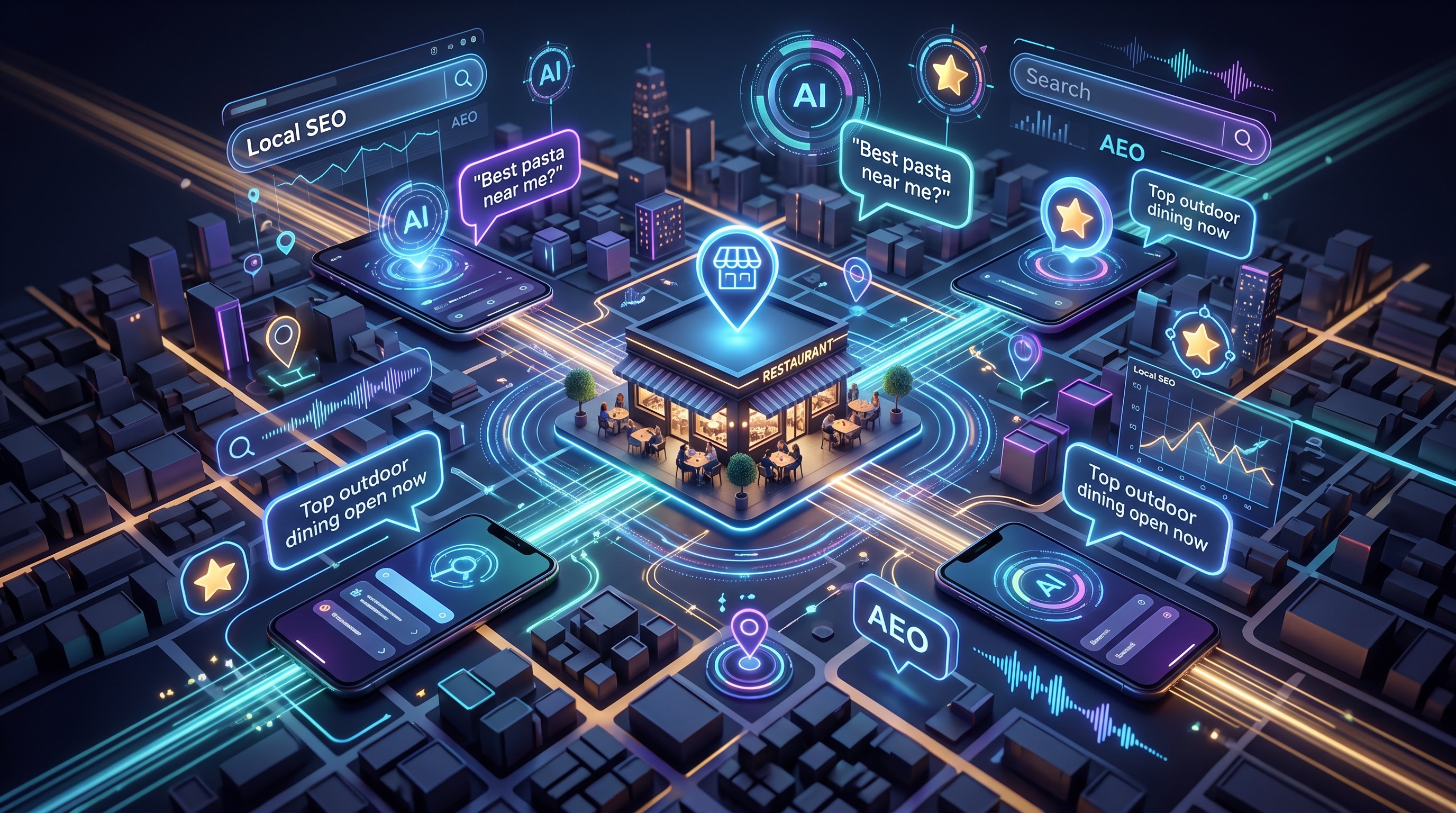
Discover how AI local SEO for restaurants transforms foot traffic into loyal diners. Learn actionable AEO for restaurant marketing tactics to dominate search engines and AI answer engines.

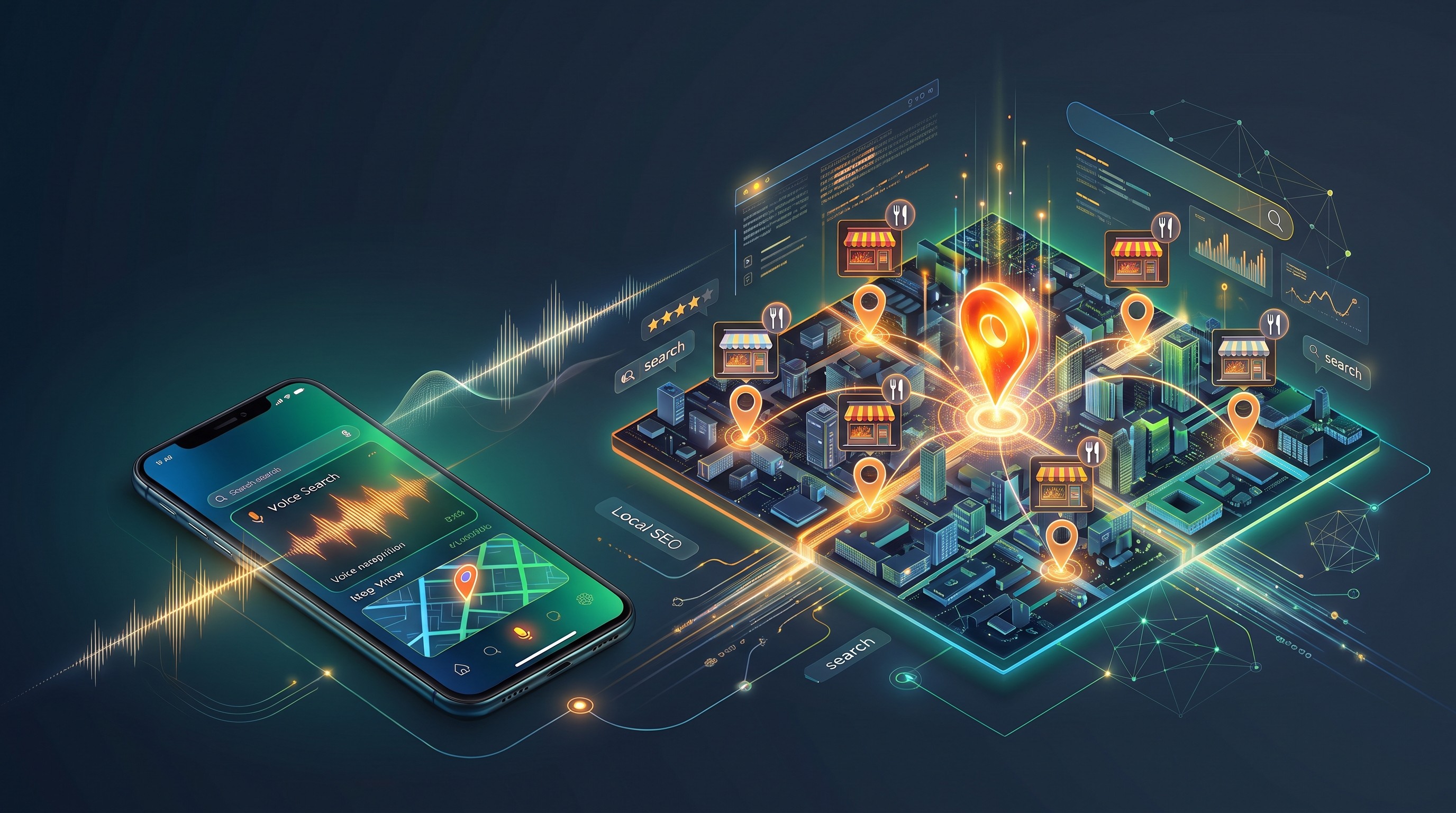
Discover how multi-location restaurant chains can overcome local search challenges, optimize Google Business Profiles, dominate Google Maps, and leverage AI to drive foot traffic across every location.
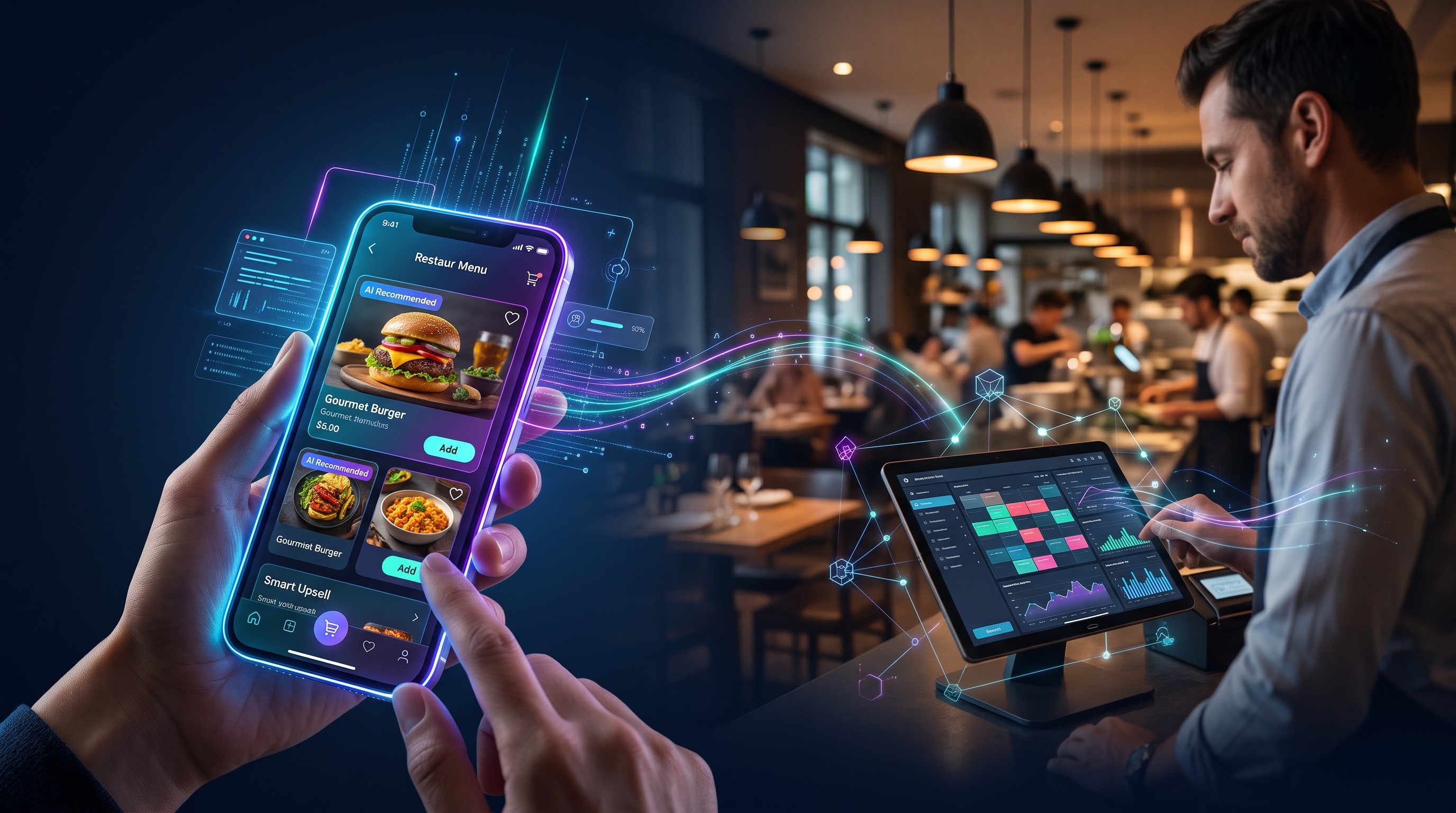
Discover how AI-powered CRO transforms restaurant online ordering and reservation systems. Learn how to increase average order values and eliminate table no-shows.