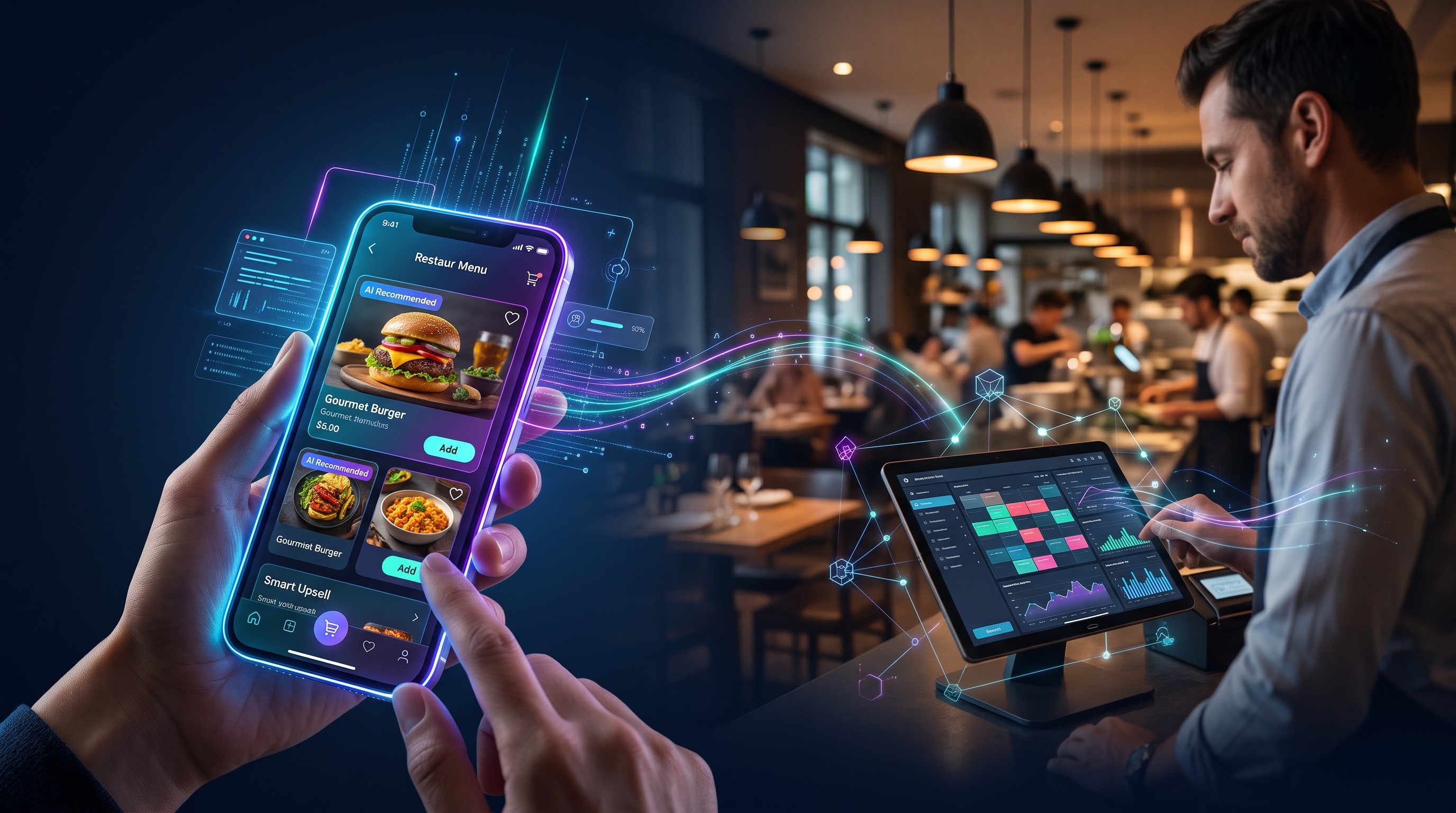
Unlocking Growth: AI-Powered CRO for Restaurant Online Ordering & Reservations
Updated: October 27, 2026
E-commerceQuick Summary
15 min read- 01
The restaurant industry has crossed a definitive threshold. Over the past several years, dining habits moved permanently toward digital-first touchpoints. Today, a diner's initial taste of...
- 02
Yet while foot traffic has moved to website traffic, many hospitality operators face a frustrating paradox. They invest significant capital into local SEO, influencer marketing, high-end...
- 03
This disconnect is the classic digital "leaky bucket." When a visitor lands on your ordering page, browses three entrees, hesitates over delivery fees, and closes the tab, that is an...
- 04
For independent operators and multi-unit concepts alike, solving this friction is urgent. Relying on third-party marketplace apps is an expensive band-aid. Aggregator platforms routinely...
011. Introduction: The Digital Shift in Dining and Common Conversion Challenges
The restaurant industry has crossed a definitive threshold. Over the past several years, dining habits moved permanently toward digital-first touchpoints. Today, a diner's initial taste of your culinary brand rarely happens through the front door. Instead, it happens on a smartphone screen: a hungry professional scrolling through an interactive menu at lunchtime, or a couple seeking an anniversary table late on a Tuesday evening.
Yet while foot traffic has moved to website traffic, many hospitality operators face a frustrating paradox. They invest significant capital into local SEO, influencer marketing, high-end food photography, and social ads to drive thousands of visitors to their websites, only to watch those visitors vanish before completing a transaction.
This disconnect is the classic digital "leaky bucket." When a visitor lands on your ordering page, browses three entrees, hesitates over delivery fees, and closes the tab, that is an abandoned opportunity. When a prospective diner clicks your booking link, finds an awkward date selector, encounters an unexpected requirement for an upfront credit card hold without explanation, and bounces, that empty table represents lost revenue that can never be recovered.
For independent operators and multi-unit concepts alike, solving this friction is urgent. Relying on third-party marketplace apps is an expensive band-aid. Aggregator platforms routinely take between 15% and 30% of top-line ticket revenue while shielding guest data behind proprietary walls. To build resilient margins and genuine customer loyalty, operators must master their direct digital channels.
Winning the digital guest requires more than just launching an online store or embedding an off-the-shelf booking widget. It demands systematic, continuous refinement of every single digital interaction. This discipline is known as conversion rate optimization (CRO), and when supercharged by artificial intelligence, it represents the single most potent lever for sustainable restaurant profitability.
2. What is CRO and Why Restaurants Need It
Conversion Rate Optimization (CRO) is the systematic process of increasing the percentage of website visitors who take a desired action. In traditional e-commerce, that usually means buying a product. In the hospitality sector, CRO is nuanced because it spans two distinct, mission-critical revenue engines: direct online ordering for pickup or delivery, and table reservation bookings.
Every touchpoint on your digital channels is either building momentum toward a sale or creating friction that causes diners to drop off.
Understanding Macro and Micro Conversions
In restaurant CRO, actions fall into two categories:
- Macro Conversions: The primary business outcomes that directly generate revenue. Examples include a completed online food order with payment, or a confirmed table reservation.
- Micro Conversions: The incremental steps leading up to that final sale. Examples include selecting an ordering location, clicking into a specific menu category, viewing dietary filters, adding an appetizer to the cart, or selecting a reservation party size.
When you analyze these steps individually, you uncover exactly where your diners get stuck. If 1,000 users visit your menu page every Friday, but only 50 initiate checkout, your challenge is not traffic acquisition. Your challenge is menu engagement and cart-building momentum.
Why Generic Web Design Fails Restaurants
Many restaurant owners mistakenly believe that web design is a creative, one-and-done aesthetic choice. They hire an agency to build a visually striking website with cinematic hero videos, custom typography, and downloadable PDF menus.
While aesthetics matter for brand perception, visual flair often works against conversion velocity. High-resolution PDF menus force mobile visitors to pinch and zoom, hiding prices and ingredients. Rigid reservation widgets buried at the bottom of a page force diners to hunt for booking links. Slow page load speeds irritate hungry users, who will happily switch to a competing venue in seconds.
Traditional design focuses on how a website looks; CRO focuses on how a guest behaves. By studying scroll depth, heatmaps, click patterns, and abandon points, CRO replaces guesswork with measurable user data. Applying systematic CRO ensures that every dollar spent driving traffic yields the highest possible return.
If you have already explored modern CRO foundations, you know that behavioral testing is mandatory for lean operations. As we discussed in our breakdown of AI-powered CRO for small business, automating customer understanding through machine learning allows smaller teams to compete against enterprise budgets without burning through manual analytics hours.
3. How AI Enhances CRO for Online Ordering
Traditional conversion optimization relies on static A/B testing: showing Version A to 50% of visitors and Version B to the remaining 50%, then waiting weeks to see which menu layout or call-to-action button performs better. While valuable, static testing moves too slowly for the fast-paced restaurant environment, where sales fluctuate based on time of day, weather, inventory levels, and local events.
Artificial intelligence transforms static testing into dynamic, continuous optimization. By analyzing hundreds of real-time signals, an AI CRO restaurant engine personalizes the guest journey in milliseconds. Here is how AI drives massive improvements in direct ordering revenue:
Contextual and Personalized Menu Engineering
Menu engineering has always been the foundation of restaurant profitability. In a physical restaurant, managers use the "Golden Triangle" layout to draw eyes toward high-margin signature items. In the digital realm, AI allows this engineering to become real-time and hyper-personalized.
An AI engine evaluates the incoming user:
- Is it a rainy Tuesday at 12:15 PM? The AI can feature warm comfort foods and rapid express lunch specials at the top of the ordering screen.
- Is it a warm Friday evening? The menu automatically reorganizes to showcase shareable platters, signature cocktails, and weekend family bundles.
- Is the user a returning guest? By recognizing past order histories through profile tokens or cookies, the ordering portal can present a "Reorder Your Favorites in One Click" module, shrinking checkout time from three minutes down to twenty seconds.
Smart Predictive Upsells and Cross-Sells
Standard online ordering tools offer blunt, generic upsells. Every guest who orders a burger is shown a pop-up asking: "Add fries and a drink?" Over time, diners develop banner blindness to these static prompts, closing them instinctively.
Machine learning models predict what a specific guest is actually likely to buy based on affinities derived from thousands of historical tickets.
- If a customer selects an artisanal wood-fired pizza, an AI engine recommends a specific garlic-herb dipping sauce and an Italian sparkling water that previous guests frequently bundled with that exact pie.
- If a diner selects an expensive dry-aged steak, the system recommends a complementary side of truffle mash and a paired bottle of red wine, rather than a generic dessert.
These tailored prompts feel like intuitive service from an experienced waitperson rather than an aggressive digital sales pitch. This targeted online ordering optimization restaurant approach routinely drives substantial lifts in average order value (AOV) without alienating guests.
Dynamic Pricing and Demand Pacing
Balancing kitchen ticket volume with delivery promises is a constant struggle. If your kitchen gets slammed, delivery estimates balloon, food arrives cold, and guests write scathing reviews.
AI-driven CRO connects your online checkout flow directly to kitchen display metrics and current prep times. During sudden demand spikes, the system can dynamically adjust promotional banners, prioritize faster-to-prepare items on the homepage, or temporarily remove high-labor dishes from the top recommendations. When order flow slows down, the AI can trigger targeted micro-discounts (such as "Order in the next 10 minutes to enjoy complimentary delivery on orders over $35") to capture price-sensitive diners browsing your menu.
Frictionless Checkout Architecture
Checkout abandonment remains a persistent issue in hospitality e-commerce. Every unnecessary input field reduces conversion rates.
AI-powered checkout modules eliminate friction through:
- Predictive address autofill that resolves typos before delivery drivers get lost.
- Smart payment prioritization, presenting Apple Pay, Google Pay, or stored local payment tokens based on the diner's device.
- Real-time field validation that alerts the user to missing apartment numbers or contact details instantly, preventing disruptive submission errors.
4. AI for Optimizing Reservation Systems
Filling seats in a dining room requires precision. Unlike retail goods that sit in a warehouse until sold, an empty table at 7:30 PM on a Saturday is a perishable asset. Once that time slot passes, that revenue opportunity is gone forever.
Applying AI to your restaurant reservation system CRO transforms your booking engine from a passive calendar into an active, high-yield revenue optimization platform.
Predictive Demand Modeling and Dynamic Seating
Most reservation widgets operate on rigid, static rules. An operator specifies that two-tops turn in 75 minutes and four-tops turn in 105 minutes. If a party wants a table at 7:15 PM and none are strictly open according to that formula, the system displays a blunt message: "No tables available."
An AI engine analyzes historical dining duration data across seasons, party sizes, and specific menu categories to calculate dynamic turn times:
- A party ordering a three-course chef's tasting menu on Saturday will linger for two hours.
- A two-top dining at 5:30 PM before a nearby theater performance typically leaves within 55 minutes.
By modeling these real-world dining patterns, the system unlocks hidden inventory, safely seating additional parties without overwhelming the front-of-house staff or causing long waits at the host stand.
Personalized Booking Funnels
Diners visit your reservation page with varied motivations. Some are planning an anniversary dinner weeks in advance; others are searching for an immediate table for four while walking downtown.
AI-driven reservation systems adapt the booking interface based on user intent:
- For visitors searching several weeks out, the booking flow highlights premium dining areas, special seating options (such as the chef’s counter or patio), and pre-paid add-ons like celebratory champagne bottles or floral arrangements.
- For last-minute, day-of searchers, the interface highlights instant-confirmation tables, bar seating, or flexible reservation times near their target hour.
Reducing the cognitive load required to secure a table directly increases completion rates.
Autonomous Reminders to Curb No-Shows
No-shows and late cancellations are devastating for restaurant margins. While many restaurants send a generic confirmation email, these static messages are easily lost in cluttered inboxes.
AI systems use natural language processing (NLP) to manage multi-channel, two-way automated communications via SMS and messaging apps:
- The system schedules confirmation prompts based on predictive cancellation curves (such as 48 hours prior for high-ticket bookings, and 4 hours prior for weekday reservations).
- When a guest texts back, "We might be running 15 minutes late, is that okay?" an AI agent interprets the message, adjusts the table pacing in the host system, and confirms the adjustment with the guest without requiring a phone call to the host stand.
- If a guest indicates they must cancel, the AI immediately releases that table back into the open booking pool and alerts guests on an automated digital waitlist, filling the slot before it becomes a financial loss.
Dynamic Deposit and Guarantee Optimization
Should you require a credit card hold or deposit for reservations? While mandatory deposits drastically reduce no-shows, they can introduce severe friction that deters spontaneous diners.
AI solves this dilemma by dynamically toggling deposit requirements based on risk profiles and peak demand:
- For peak Friday and Saturday seatings between 7:00 PM and 8:30 PM, the system selectively activates a per-seat deposit requirement.
- For off-peak Tuesday lunch reservations, the deposit requirement is suppressed, eliminating friction and maximizing booking volume.
- For guests with an authenticated history of reliable attendance, deposit requests can be automatically waived as a VIP loyalty perk.
5. Hypothetical Case Studies: AI CRO in Action
To understand the tangible impact of these strategies, consider two hypothetical restaurant concepts that applied AI-driven conversion optimization to their digital operations.
Case Study 1: "FreshCraft Kitchen" (Fast-Casual Concept, 4 Locations)
FreshCraft Kitchen enjoyed steady brand awareness, driving over 25,000 monthly website visits across its four locations. Despite this traffic, their direct online ordering conversion rate hovered at an underwhelming 2.4%, with an average order value of $22.50. Most digital orders were single-entree lunches, and the team was losing considerable volume to third-party delivery apps.
The Strategy: FreshCraft implemented an AI-powered ordering interface focused on three touchpoints:
- Contextual Menu Layouts: The system served distinct mobile menus during lunch and dinner hours. Lunch users were presented with fast-prep bowls and customizable combos at the very top of the page.
- Predictive Bundling: The platform analyzed individual cart contents. When a customer added a bowl, an AI prompt recommended a beverage and house-made side, discounting the bundle by 5% while maintaining strong profit margins.
- One-Tap Guest Checkout: The checkout page eliminated mandatory account creation, defaulting to instant mobile wallet payment options.
The Results (90-Day Post-Implementation):
- Direct online conversion rate climbed from 2.4% to 4.1%.
- Average Order Value (AOV) grew from $22.50 to $28.80 due to relevant cross-selling suggestions.
- Direct online ordering gross revenue increased by 48%, successfully moving hundreds of repeat diners away from fee-heavy third-party aggregators.
Case Study 2: "L'Aura Bistro" (Upscale Dining)
L'Aura Bistro is an intimate 60-seat modern bistro known for exceptional hospitality. Despite strong demand, the business suffered from two primary pain points: an average weekend no-show rate of 14%, and an online reservation booking completion rate that stalled at 32% (meaning two out of three guests who opened the booking widget left without reserving).
The Strategy: L'Aura rebuilt its reservation funnel using predictive hospitality AI:
- Dynamic Inventory Allocation: The reservation engine adjusted expected table durations based on party size and time of day, unlocking an average of four additional seatings per weekend night without double-booking.
- Interactive Experience Customization: During the online booking flow, guests were offered high-touch pre-order options, including a wine pairing bundle and a seasonal dessert sampler.
- Conversational SMS confirmations: Guests received smart text reminders 24 hours in advance with intuitive one-word confirmation and cancellation commands.
The Results (60-Day Post-Implementation):
- Reservation booking completion jumped from 32% to 49%.
- The weekend no-show rate plummeted from 14% to under 2.5%.
- Pre-booked wine and dessert pairings generated an additional $3,200 in monthly beverage and pastry revenue.
- The recovery of previously lost table inventory generated an estimated $11,500 in additional monthly revenue.
6. Practical Steps to Implement AI-Powered CRO
Adopting artificial intelligence in your restaurant operations does not require hiring an internal software development team. You can implement these upgrades systematically by following a clear, structured roadmap.
Step 1: Map and Audit Your Existing Funnel
Before turning on new software, examine your current digital pathway from the perspective of a hungry diner:
- Place a test order on your smartphone using a cellular connection (not high-speed restaurant Wi-Fi).
- Count how many clicks, page loads, and form fields it takes to complete an order or reserve a table.
- Note where friction appears: Are photos slow to load? Is the font hard to read? Does the booking widget force you to create a password?
- Look at your Google Analytics data to identify your primary drop-off pages.
Step 2: Modernize Your Menu Architecture
AI engines rely on clean, structured data. If your menu is currently embedded as a flat PDF or unformatted text image, no search engine or AI algorithm can interpret it effectively.
- Convert your menus into clean, machine-readable HTML with schema markup.
- Organize items with logical categories, high-margin identifiers, clear dietary tags (vegan, gluten-free, nut-free), and high-resolution, compressed imagery.
- Group your modifiers and add-ons logically so predictive models can calculate intelligent cross-sells.
To dive deeper into structuring high-converting digital storefronts, review our complete methodology for ecommerce optimization, which applies directly to modern restaurant digital ordering frameworks.
Step 3: Integrate AI-Ready Ordering and Reservation Tools
Evaluate whether your existing POS and booking vendors support intelligent optimization. Many modern restaurant management platforms offer built-in AI functionality or provide API access to connect specialized conversion engines.
- Look for ordering systems that support predictive upsells, dynamic guest tagging, and fast mobile checkouts.
- Ensure your reservation platform supports automated SMS confirmations, smart waitlists, and flexible seating parameters.
- Avoid closed, proprietary systems that lock your guest data away from your analytics stack.
For specialized guidance tailored to the hospitality ecosystem, review our dedicated breakdown on conversion strategies across restaurant digital touchpoints.
Step 4: Run Disciplined Micro-Experiments
Resist the temptation to overhaul your entire website overnight. Instead, roll out controlled tests to measure impact:
- Week 1-2: Test whether defaulting to a single-page checkout increases completed orders compared to your multi-step flow.
- Week 3-4: Test dynamic upsell prompts on your three top-selling entrees.
- Week 5-6: Test dynamic SMS reminder timing (such as 24 hours vs. 6 hours prior to dining) to determine which timing drives the lowest cancellation rates.
Track your core metrics religiously: conversion rate, average order value, cart abandonment rate, and no-show percentage. If an experiment works, keep it. If it fails, iterate and test the next hypothesis.
7. Conclusion: Partnering with Useryze for Restaurant Growth
The modern restaurant environment is uncompromising. Rising food costs, tight labor markets, and increasing operational overhead mean operators cannot afford to leave money on the table, literally or digitally.
Pouring more capital into top-of-funnel marketing campaigns while your online menu and reservation systems suffer from high bounce rates is an expensive mistake. The fastest, most cost-effective way to scale revenue is to convert more of the diners who are already visiting your website.
Implementing AI-powered conversion rate optimization turns your direct channels into an automated, revenue-generating engine. From personalized menu displays that boost check sizes to predictive reservation workflows that protect your table inventory, AI gives independent and multi-unit operators the sophisticated operational advantages once reserved for massive corporate hospitality chains.
At Useryze, we specialize in transforming digital friction into measurable revenue growth. Our team works closely with restaurant owners, food service groups, and hospitality brands to design, deploy, and manage tailored conversion rate optimization strategies. We help you take back control of your guest relationships, decrease your reliance on third-party marketplace commissions, and maximize the profitability of every digital visit.
Are you ready to unlock the full potential of your direct ordering and reservation channels? Reach out to the team at Useryze today for a comprehensive digital conversion audit, and start converting more visitors into loyal, paying guests.
Related Posts
View All ›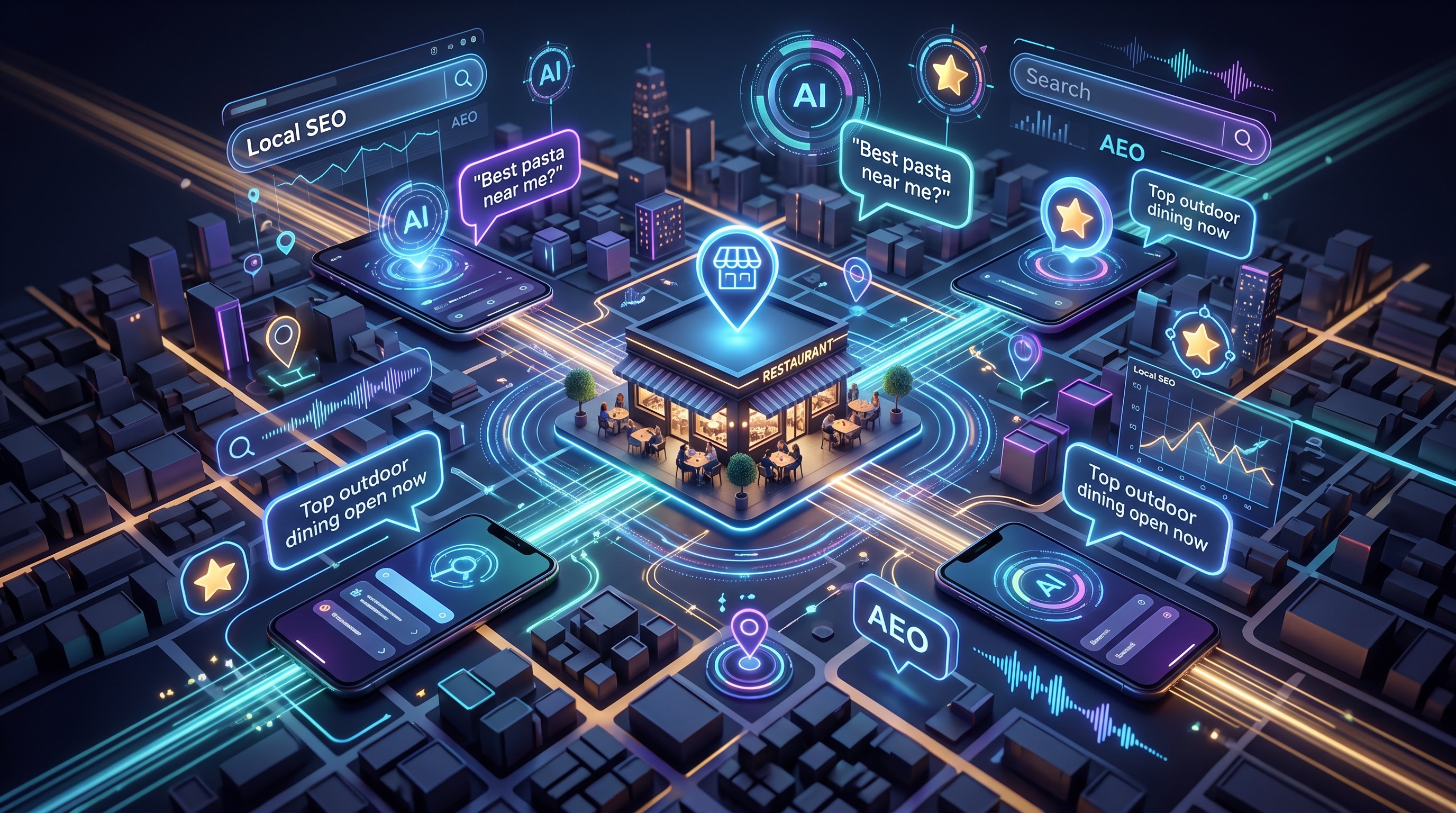
Discover how AI local SEO for restaurants transforms foot traffic into loyal diners. Learn actionable AEO for restaurant marketing tactics to dominate search engines and AI answer engines.

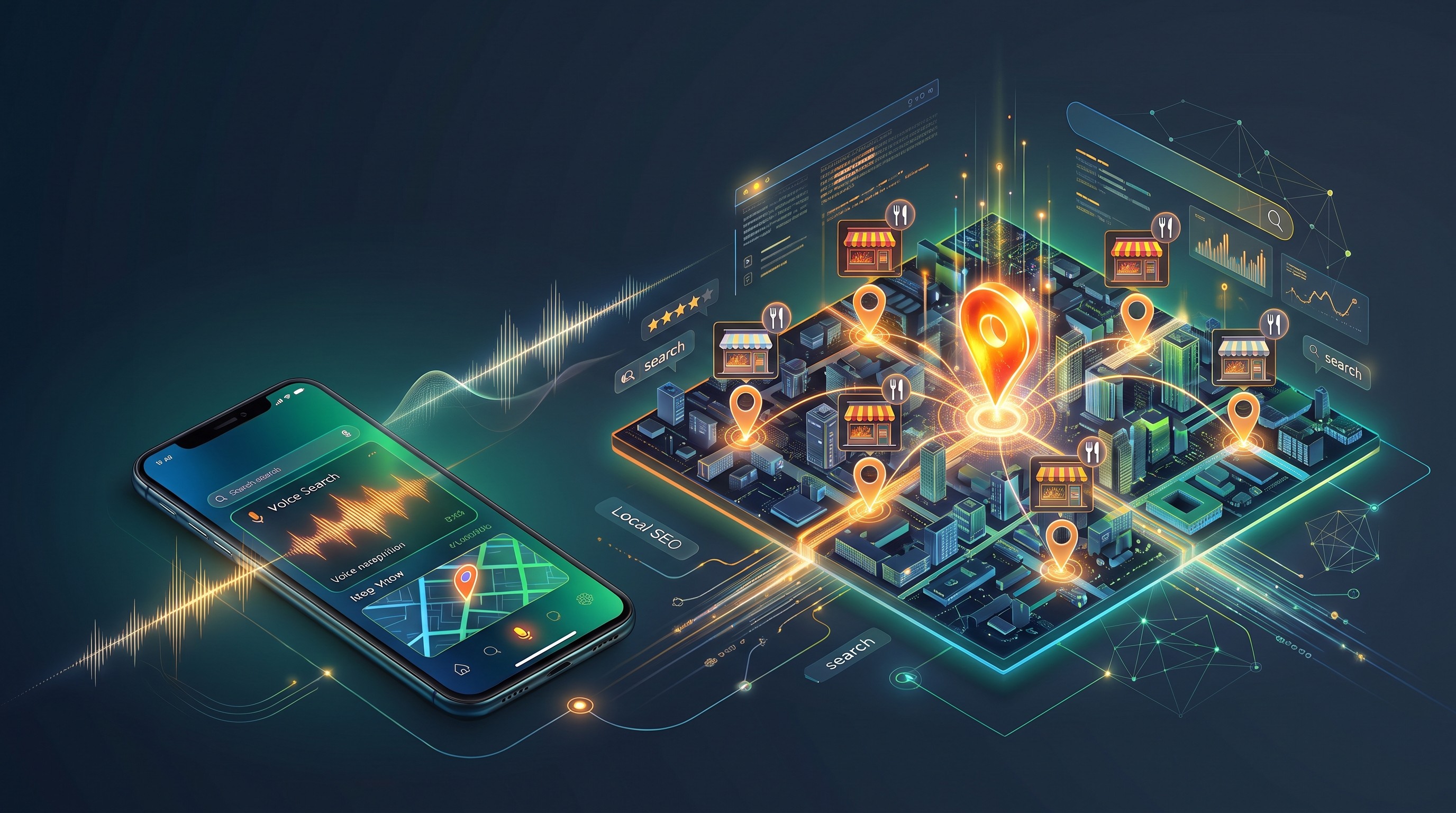
Discover how multi-location restaurant chains can overcome local search challenges, optimize Google Business Profiles, dominate Google Maps, and leverage AI to drive foot traffic across every location.
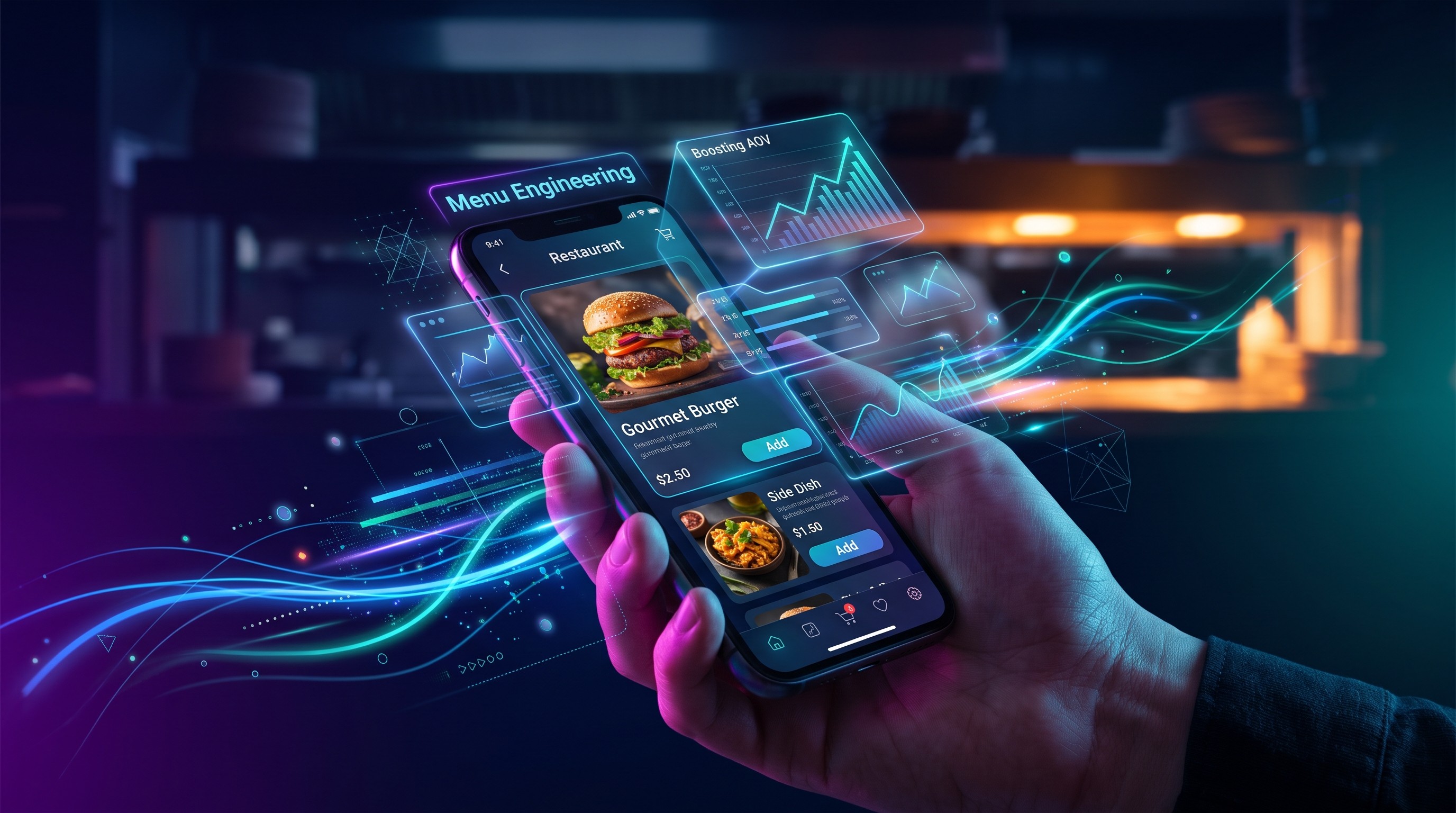
Discover how online restaurant menu optimization drives higher Average Order Value (AOV) and boosts conversion rates. Learn actionable menu engineering strategies to turn casual digital visitors into high-value orders with Useryze.