TikTok for Local Business 2026: How to Get Found in Search and the Local Feed
Quick Summary
6 min read- 01
Part 5 of The Art of Organic Growth, a seven-part series on getting customers without paying for every click.
- 02
Short answer: About half of U.S. consumers now use TikTok to search, mostly for things they want to see before they decide: food, places, how-tos, products. In February 2026 TikTok added a...
- 03
Adobe's February 2026 survey found that 49% of U.S. consumers have used TikTok as a search engine, up from 41% in 2024, and 65% of Gen Z have. But TikTok hasn't replaced Google: only 4% of...
- 04
So treat TikTok as the place people go to see what something is really like, then check you out somewhere else. Asked why they search on TikTok, people pointed to the short video format,...
Part 5 of The Art of Organic Growth, a seven-part series on getting customers without paying for every click.
Short answer: About half of U.S. consumers now use TikTok to search, mostly for things they want to see before they decide: food, places, how-tos, products. In February 2026 TikTok added a Local Feed in the U.S. that shows nearby businesses to people who share their location. Local businesses win by making short, honest videos that answer the questions people type into TikTok, tagging their location every time, using searchable words in captions and on-screen text, and giving viewers an easy way to call, book or visit.
01People really do search on TikTok
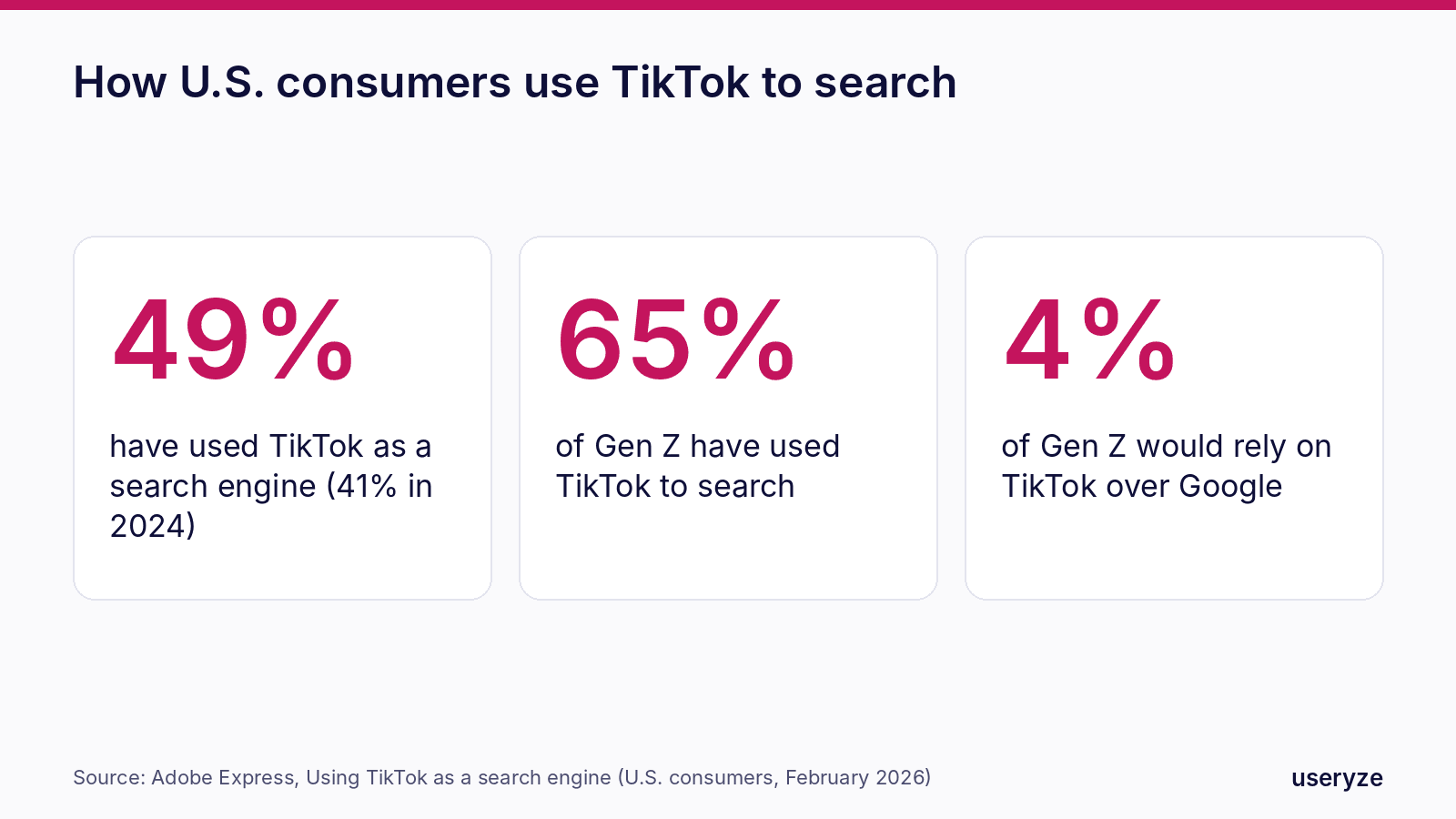
Adobe's February 2026 survey found that 49% of U.S. consumers have used TikTok as a search engine, up from 41% in 2024, and 65% of Gen Z have. But TikTok hasn't replaced Google: only 4% of Gen Z said they'd rely on TikTok over Google, and 85% of consumers named Google as the most helpful place to find information.
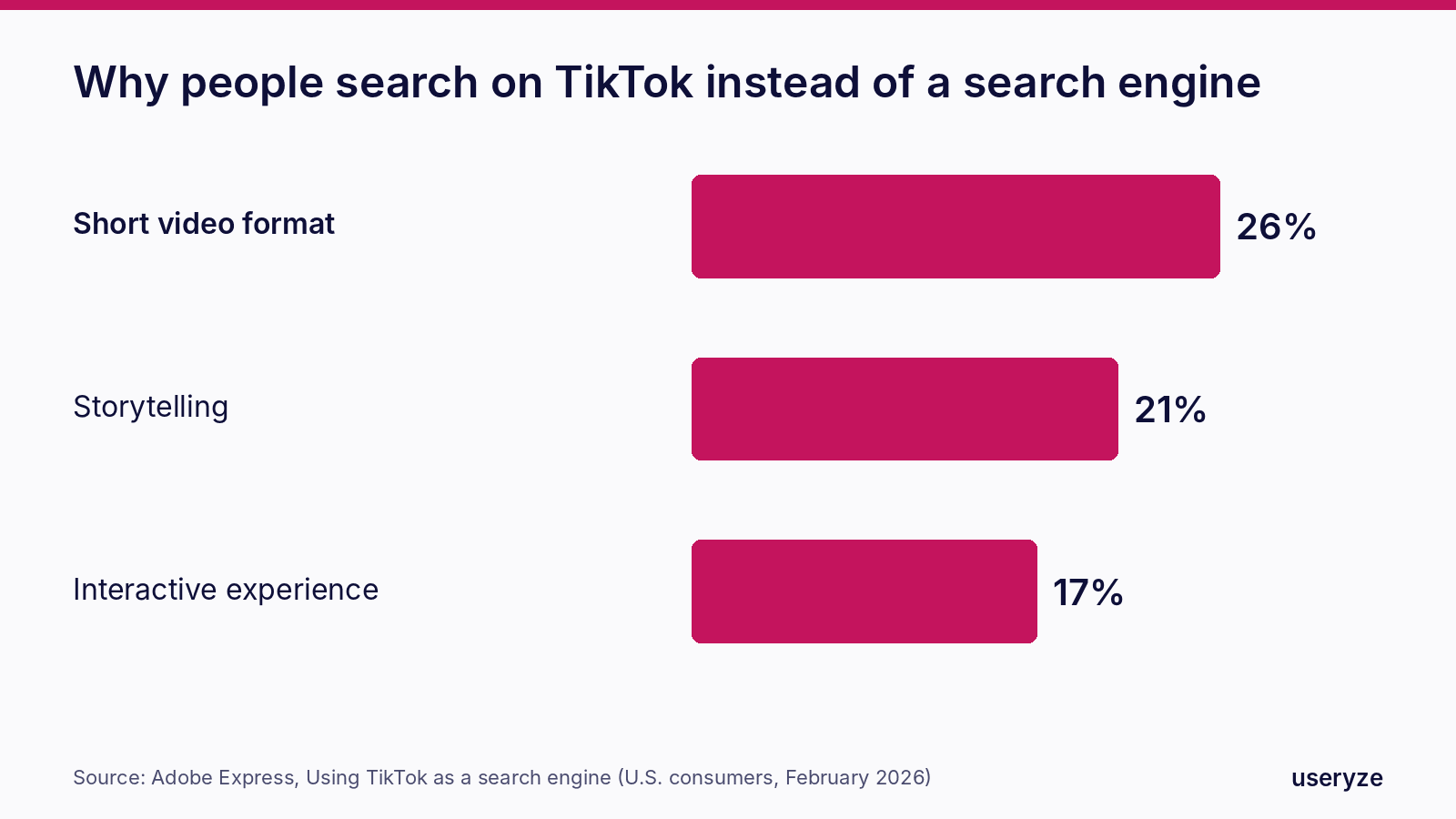
So treat TikTok as the place people go to see what something is really like, then check you out somewhere else. Asked why they search on TikTok, people pointed to the short video format, storytelling and the interactive experience.
SOCi's 2026 Local Discovery Index found that half of the people who look for local businesses on social media use TikTok to do it.
Step 1: Set up a business account that's easy to act on
- Switch to a Business account so you get analytics and contact options.
- Name and username: what you do and where, such as "Luna Bakery Austin."
- Bio: one line on what you offer and your area, plus what to do next.
- Link and contact buttons: point the link to booking, ordering or a quote form, and add your phone or email where TikTok allows it.
- Keep the account public. TikTok's Local Feed only shows content from public accounts.
Step 2: Show up in the Local Feed
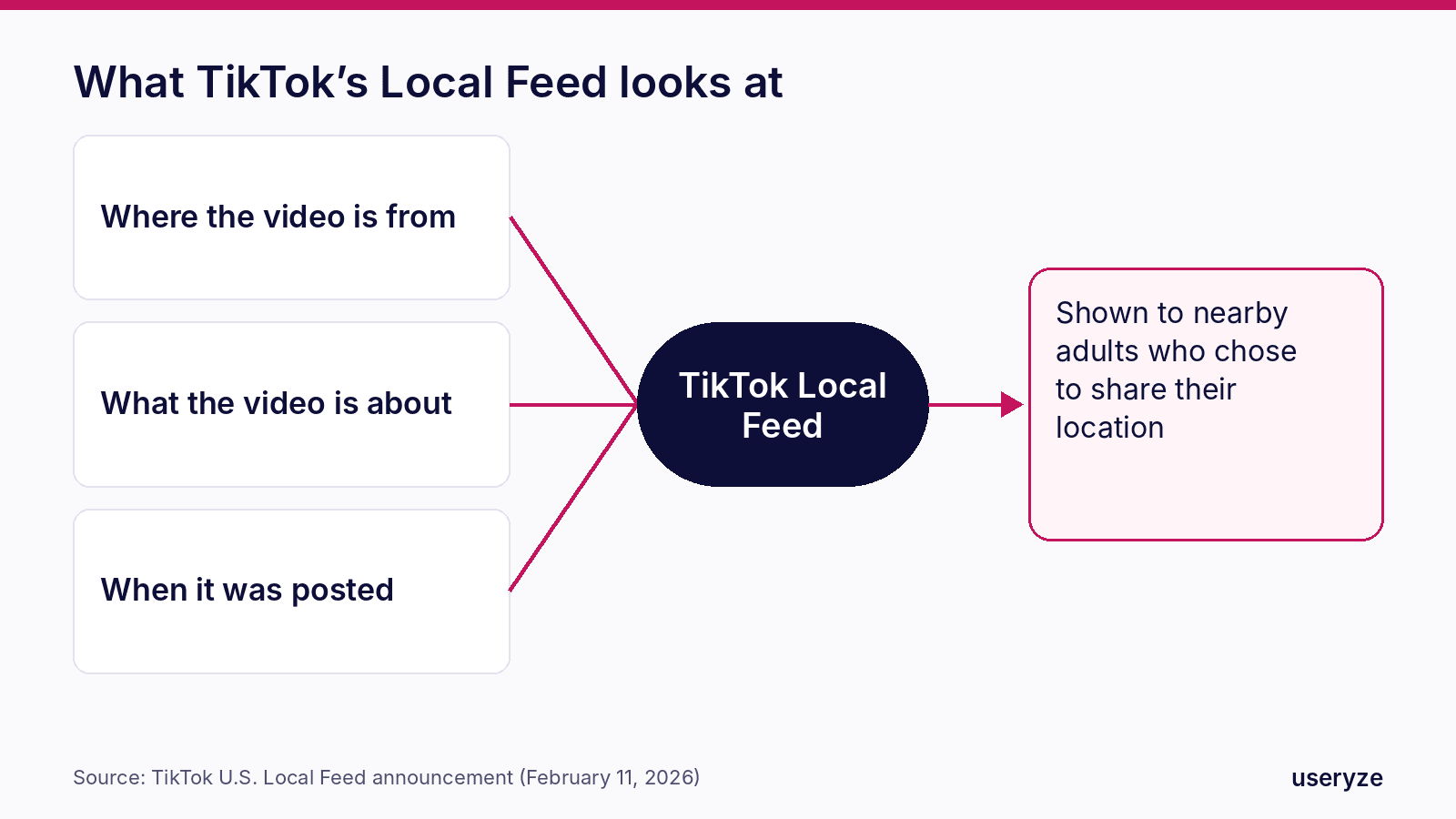
TikTok launched its Local Feed in the U.S. on February 11, 2026. It's a tab on the home screen that shows nearby food, events, shopping, travel and small businesses to adults who opt in to share their location. TikTok says the feed weighs where content is from, what it's about and when it was posted.
- Tag your location on every video that's filmed at or about your business.
- Post regularly. Fresh posts have a better chance of showing up, so a steady rhythm beats a burst once a month.
- Make local content: your street, your neighborhood events, local suppliers, "best tacos near the Domain." Content that's clearly about a place is easier to place.
- Work with local creators. A short visit from a local food or lifestyle creator often reaches the exact neighbors you want. Make sure paid partnerships are disclosed.
Step 3: Make videos people search for
Start with the questions customers actually ask, then answer them on camera in under a minute.
- Answer one question per video: "How much does a custom engagement ring cost?" "What's the best thing on our menu?" "How do you know your brakes are going?"
- Say the keywords out loud and on screen. TikTok reads captions, on-screen text and speech. Say "Round Rock" and "engagement rings," don't just show them.
- Hook in the first two seconds, with the result or the question, not your logo.
- Show the real thing: the dish, the finished job, the person who'll do the work. TikTok rewards authenticity over polish.
- Use TikTok's search bar for ideas. Type your service and city and look at the autocomplete suggestions and the "Others searched for" phrases. Those are your next videos.
Step 4: Write captions that work as search results
TikTok videos often show up in Google results too, so write captions the way someone would search:
- Lead with the service and place: "Same-day AC repair in North Austin."
- Add two or three specific hashtags, such as #austinfood or #roundrockjeweler, rather than a wall of generic ones.
- Pin a comment with your price range, address, booking link or hours.
- Reply to questions in the comments with short video replies. Each one is another searchable answer.
Step 5: Turn views into visits
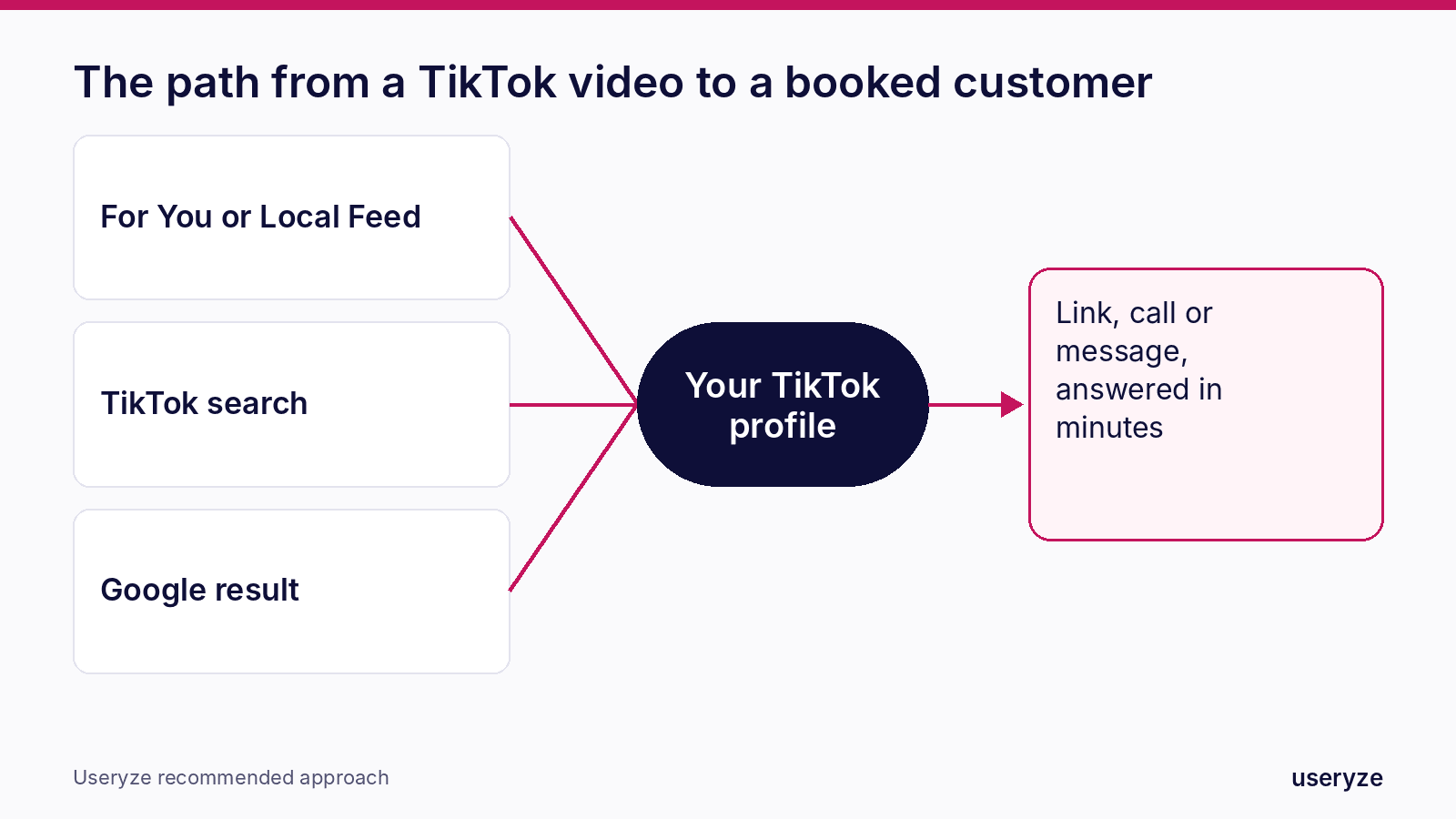
- Tell people what to do next, at the end of the video: "Link in bio to book," "Come by Saturday," "Message us for a quote."
- Answer messages and comments fast. Interest fades within hours on TikTok.
- Ask new customers where they found you, and add "TikTok" as an option on your booking or lead form.
- Send TikTok leads into your CRM so they get the same follow-up as any other lead. Our AI follow-up handles this.
Step 6: Measure, then put money behind winners
Check your analytics weekly for watch time, how many people finished the video, profile views and link taps. When a video clearly drives profile visits, run it as a Spark Ad to people in your area. Our paid media team can manage local TikTok ads, and our content team can plan and film videos with you.
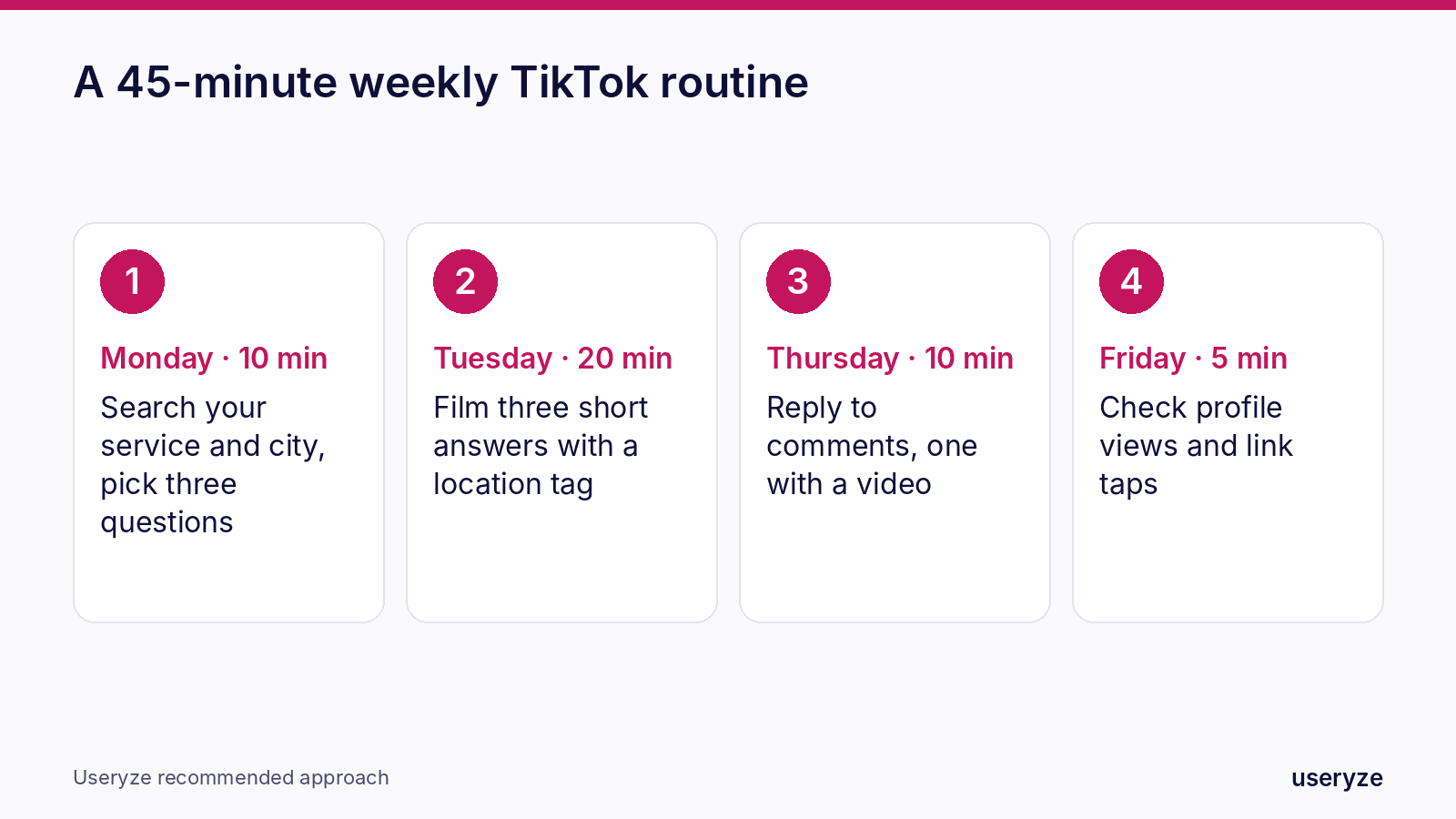
A 45-minute weekly TikTok routine
- Monday (10 minutes): search your service and city in TikTok; pick three questions from the suggestions.
- Tuesday (20 minutes): film three short answers with a location tag and searchable captions.
- Thursday (10 minutes): reply to comments, with a video reply to the best question.
- Friday (5 minutes): check which videos drove profile views and link taps; plan more like them.
Up next: Part 6, YouTube: how local businesses use long videos and Shorts to win trust before the first call.
FAQ
Do people really use TikTok to find local businesses? Yes. Adobe's 2026 survey found 49% of U.S. consumers have used TikTok as a search engine, and SOCi found that half of people who look for local businesses on social media use TikTok.
What is TikTok's Local Feed? A tab launched in the U.S. in February 2026 that shows nearby businesses, food, events and shopping to adults who choose to share their location. Content has to come from public accounts.
Do I need to dance or follow trends? No. For local businesses, clear answers to real customer questions, filmed on location, tend to do better than trend-chasing.
How long should my TikTok videos be? Long enough to answer the question and no longer. For most local businesses, 15 to 60 seconds works well.
Sources
- Adobe Express: Using TikTok as a search engine (February 2026)
- Net Influencer: Nearly half of U.S. consumers now use TikTok as a search engine (2026)
- TechCrunch: TikTok launches an opt-in Local Feed in the U.S. (February 2026)
- Sociallyin: TikTok Local Feed for brands (2026)
- SOCi 2026 Local Discovery Index, reported by MarTech (October 2026)
Free growth plan
Turn this into more customers.
We run marketing, video and AI follow-up for owner-led businesses. Tell us about yours and we will show you the three fixes that matter most.
Keep reading
- YouTube for Local Business 2026: How Videos and Shorts Win Trust, Search and AI AnswersHow local businesses use YouTube in 2026: answer videos with chapters, Shorts, embeds on service pages and the videos AI answers cite.
- Google Business Profile Guide 2026: How to Rank in Maps, Show Up in AI Answers and Win More CallsThe 2026 Google Business Profile playbook: categories, reviews, photos, posts and the AI features that now decide who gets the call. Part 1 of a series.
- Bilingual Marketing in Dallas: How to Reach Spanish-Speaking Customers on Google, Meta and AI43% of Dallas County is Hispanic and 43% speak another language at home. How local businesses win bilingual customers on Google, Meta and AI.