Why Restaurants Should Own Their Website and Their Data, Not Rent It
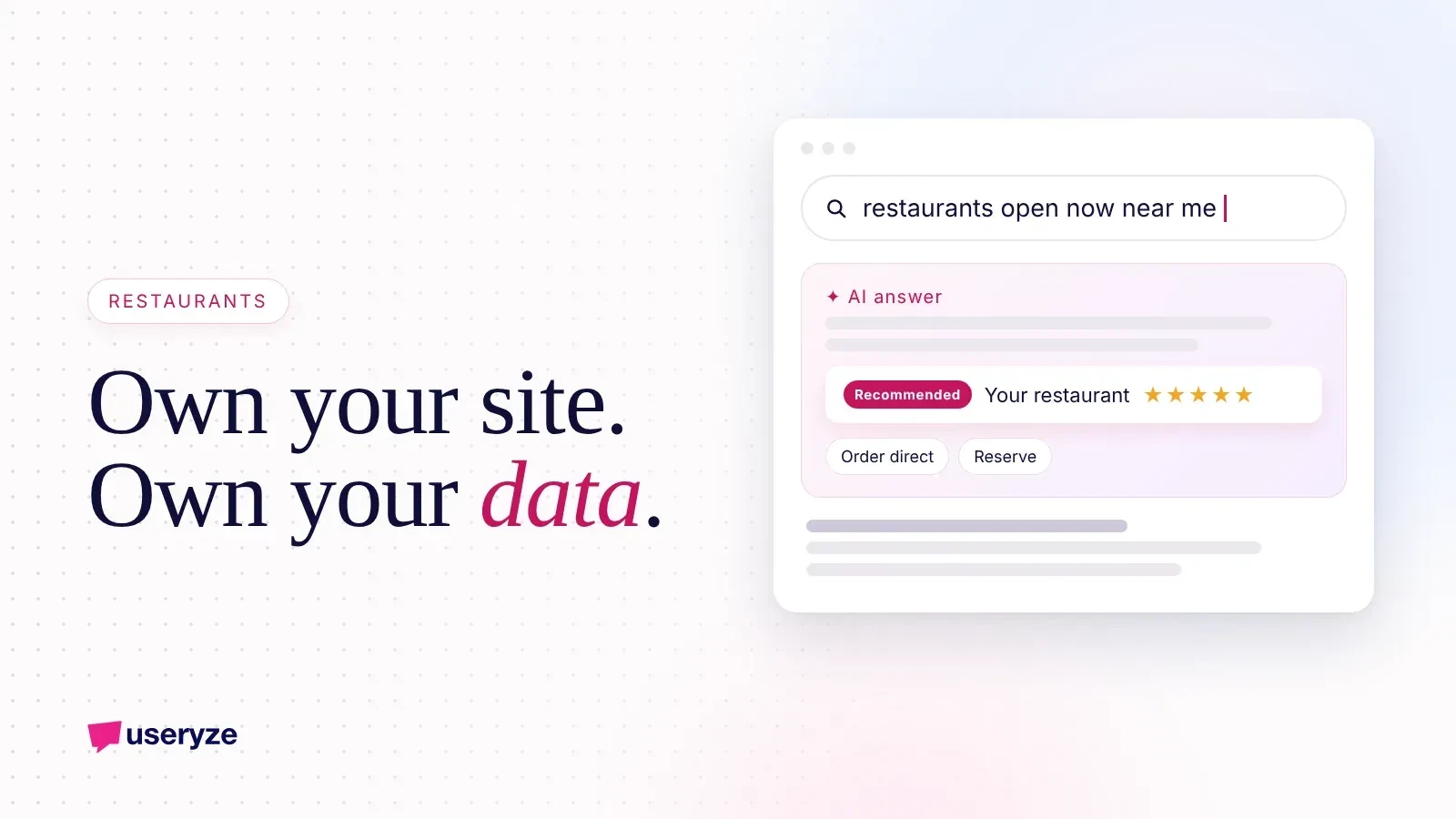
Quick Summary
2 min read- 01
Most independent restaurants start with a website platform built for restaurants. It is quick, it looks fine and it comes with menus and popups out of the box. A few years later, many owners...
- 02
For Tandoori Lounge, we built a new website on infrastructure they own and moved them off SpotHopper. For Zaviya Grill, the new site is built and ready to launch. Both are fast, mobile-first...
- 03
The website is only half the story. The real gain comes from putting all your data in one place:
- 04
Our data agents collect all of this every day, and an ops agent turns it into a short list of what to change this week. We describe the whole setup in our restaurant data loop case study.
Most independent restaurants start with a website platform built for restaurants. It is quick, it looks fine and it comes with menus and popups out of the box. A few years later, many owners find they cannot change what they need to, cannot see their own data clearly and cannot tell which marketing actually fills tables.
01The hidden cost of renting your website
- You do not own the data. Visits, clicks and form fills live inside the platform, separate from your ads and your Google profile.
- You move at the platform's speed. A new catering page, a late-night menu or a faster ordering flow waits for whatever the template allows.
- Every channel lives on its own island. Social, Google Business Profile, the website and ads each report different numbers, so nobody sees the full picture.
What owning it looks like
For Tandoori Lounge, we built a new website on infrastructure they own and moved them off SpotHopper. For Zaviya Grill, the new site is built and ready to launch. Both are fast, mobile-first and built around what diners do: check the menu, order, reserve a table or book an event.
Connecting every channel into one loop
The website is only half the story. The real gain comes from putting all your data in one place:
- Social: what people watch, save and comment on.
- Google Business Profile: calls, direction requests and reviews.
- Website: menu views, orders, reservations and catering inquiries.
- Ads: Google, Meta, TikTok and even ChatGPT campaigns.
Our data agents collect all of this every day, and an ops agent turns it into a short list of what to change this week. We describe the whole setup in our restaurant data loop case study.
Local ads that follow the data
With the loop in place, local ads stop being a guess. Lunch, dinner and late-night campaigns each get their own budget, catering and events get their own audiences, and spend moves toward what actually brings people in. We run this for Tandoori Lounge, Zaviya Grill, Alpha Juice and Texas Wings & Grill.
Is it time to switch?
If you cannot answer "which channel brought in last Friday's tables", it probably is. See how we help on our restaurant marketing page.
Free growth plan
Turn this into more customers.
We run marketing, video and AI follow-up for owner-led businesses. Tell us about yours and we will show you the three fixes that matter most.
Keep reading
- Payload CMS for Enterprise: Open-Source Headless Content EngineNeed an open-source enterprise CMS? See how Payload handles governance, roles, audit, localization, multi-brand and data residency, plus AI agent workflows.
- Why Payload CMS Is a Great Headless CMS (With AI Agents)Payload CMS is open source, code-first and runs inside Next.js. See why we use it for content-heavy sites and how AI agents and humans publish in it.
- How Multi-Location Restaurants Win on Google Maps and Local SearchA practical playbook for restaurant groups to rank every location on Google Maps, keep profiles accurate, earn better reviews and turn searches into orders.